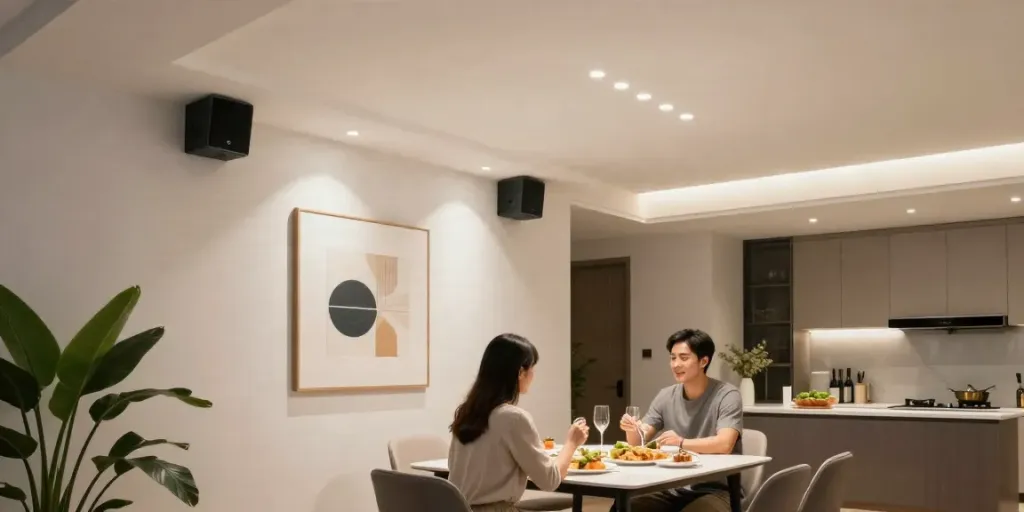
Understanding Ceiling Speakers
Ceiling speakers are becoming increasingly popular in both residential and commercial spaces, offering a blend of efficiency, aesthetics, and high-quality sound. These fixtures are designed to be mounted into the ceiling, allowing for unobtrusive sound distribution that enhances the ambiance of a room. Whether it’s for a home theater, a multi-room audio system, or background music in a commercial setting, ceiling speakers provide a versatile solution. When exploring options, خرید اسپیکر سقفی can offer comprehensive insights into available models and brands.
What are Ceiling Speakers?
Ceiling speakers are specialized audio devices that are installed directly into the ceiling, providing a discreet sound solution that maintains the visual aesthetics of a space. Unlike traditional stand-mounted speakers, ceiling speakers are designed to blend seamlessly into the ceiling structure, making them an ideal choice for spaces where floor or wall space is limited. They typically consist of a speaker cone, a housing unit, and a grill that matches the ceiling, ensuring a subtle appearance.
Benefits of Using Ceiling Speakers
- Space-saving Design: Their in-ceiling placement frees up wall and floor space, allowing for more room to arrange furniture and decor.
- Enhanced Sound Distribution: Ceiling speakers can provide a wider audio coverage area, creating a more immersive sound experience throughout the room.
- Minimal Aesthetic Impact: Blending seamlessly with the ceiling, they eliminate clutter and maintain a clean, modern look.
- Flexibility: They can be used for various applications, from home audio systems to commercial installations.
Common Misconceptions about Ceiling Speakers
One common misconception is that ceiling speakers sacrifice sound quality for aesthetics. However, many models are engineered with high-fidelity components that deliver excellent sound performance. Another myth is that installation is overly complicated; while professional installation is recommended for best results, many systems are designed for simple DIY setup.
Key Features to Consider
Sound Quality and Performance Metrics
When selecting ceiling speakers, sound quality is paramount. Look for specifications such as frequency response, sensitivity, and power handling. A wider frequency range typically means better sound reproduction, encompassing both deep bass and crisp treble. Additionally, consider the speaker’s sensitivity rating; a higher rating means the speaker can produce more volume with less power, improving efficiency in audio playback.
Installation Options: In-Ceiling vs. Surface-Mounted
Ceiling speakers generally come in two types: in-ceiling and surface-mounted. In-ceiling speakers are flush-mounted for a sleek look, while surface-mounted speakers protrude slightly from the ceiling. Each type has its advantages, depending on your space and aesthetic preferences. In-ceiling options are ideal for a minimalist design, whereas surface-mounted speakers can be easier to install and provide more flexibility in placement.
Integration with Smart Home Systems
As the demand for smart homes grows, the ability to integrate ceiling speakers into a smart home ecosystem is becoming increasingly important. Many modern ceiling speakers are compatible with smart home systems, allowing for voice control and app-based management of audio settings. This integration enhances user experience by enabling seamless transitions between different audio sources and rooms.
Comparison of Popular Brands
Top Brands for خرید اسپیکر سقفی
When it comes to ceiling speakers, several brands dominate the market, each offering unique features and price points. Brands such as Yamaha, JBL, and Sonos are well-known for their high-quality audio products, while less expensive options from companies like Pyle and OSD Audio provide solid performance for budget-conscious consumers. It’s essential to compare these brands based on sound quality, durability, and warranty offerings before making a purchase.
Pricing Variations Across Brands
The cost of ceiling speakers can vary significantly based on brand reputation, features, and sound quality. Budget models may start around $50, while high-end options can exceed $300 per speaker. Understanding your audio needs and budget will help in selecting the right product without overspending.
Warranty and Support Services Offered
Warranty terms vary widely among ceiling speaker manufacturers, typically ranging from one to five years. Choosing a brand that offers robust customer support and a solid warranty can provide peace of mind and assurance of product quality. Look for brands that provide easy access to customer service and resources for troubleshooting and installation.
Installation Best Practices
DIY Installation Steps
If you decide to install your ceiling speakers yourself, follow these steps for a successful setup:
- Choose the right location for optimal sound distribution.
- Use a stud finder to locate the ceiling joists.
- Cut a hole in the ceiling based on the template provided with the speakers.
- Run speaker wire from your audio source to the installation location.
- Connect the speaker wires to the terminals on the speaker.
- Secure the speaker in the hole and attach the grill.
Hiring a Professional: Pros and Cons
While DIY installation can save money, hiring a professional can ensure that the job is done correctly and efficiently. Professionals have the experience and tools necessary to guarantee optimal sound quality, especially in complex installations. However, this service comes at a cost, which may not fit every budget.
How to Test Sound Quality Post-Installation
After installation, it’s crucial to test the sound quality to ensure everything is functioning correctly. Play a variety of audio content at different volume levels and listen for clarity, balance, and any distortion. Adjust the placement and settings as necessary, and consider using sound calibration tools available in many modern audio systems.
Future Trends in Ceiling Speaker Technology
Smart Features and Innovations to Watch in 2026
The ceiling speaker industry is evolving rapidly, with smart technology at the forefront. Features such as voice activation, integration with smart assistants, and app controls are becoming standard. Innovations like adaptive sound technology, which adjusts audio output based on room acoustics, are also expected to gain popularity.
Environmental Considerations and Sustainability
As consumers become more environmentally conscious, manufacturers are focusing on sustainable practices, such as using recyclable materials and minimizing energy consumption. Expect to see more eco-friendly ceiling speaker options in the market, catering to this demand.
Anticipated Market Changes in Home Audio Solutions
With the rise of streaming services and wireless audio solutions, the demand for traditional wired systems is likely to decrease. This shift is pushing manufacturers to innovate and create versatile products that cater to both wired and wireless environments, making ceiling speakers a vital component of modern home audio systems.
What are the benefits of ceiling speakers?
Ceiling speakers provide a clean, unobtrusive sound solution that enhances any room's aesthetics while delivering high-quality audio. They save space and can distribute sound evenly across larger areas.
How to choose the right ceiling speaker for my home?
Consider factors such as size, sound quality, budget, and aesthetic preferences. Research different models and read reviews to find the best fit for your needs.
Is installation of ceiling speakers difficult?
Installation can range from straightforward for DIY enthusiasts to complex for those without experience. Professional installation is advisable for those unsure about their skills.
What are the maintenance needs of ceiling speakers?
Ceiling speakers require minimal maintenance, but occasionally dusting the grills and ensuring the speakers are free from obstruction can help maintain sound quality.
How do ceiling speakers compare to traditional speakers?
Ceiling speakers offer a more discreet option without sacrificing audio quality. They are space-efficient and can provide an even sound distribution compared to traditional speakers, which can be bulky and require more space.