The Importance of AI Data Centers in the Modern Tech Landscape
The landscape of technology is evolving at an unprecedented pace, and at the heart of this evolution is the growing reliance on artificial intelligence (AI). One of the most critical components enabling the expansion of AI capabilities is the AI data center. These specialized facilities are designed to house high-density computing resources necessary for training and deploying machine learning models. As enterprises across various industries leverage AI to drive innovation, understanding the infrastructure supporting these advancements becomes essential. When exploring options, AI data center provide comprehensive insights into managing computational workloads effectively.
Understanding AI Data Centers and Their Role
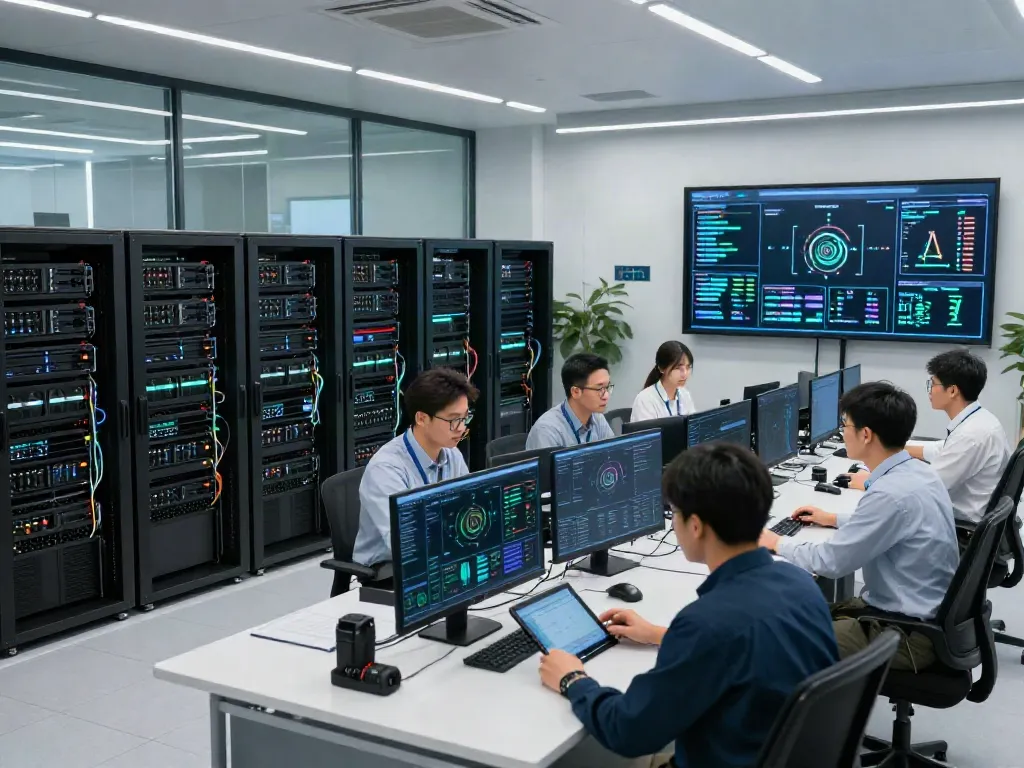
AI data centers are distinct from traditional data centers due to their specific infrastructure designed to cater to the demanding needs of AI workloads. Unlike conventional setups that primarily support standard data processing, AI data centers are optimized for high-performance computing (HPC). They integrate advanced hardware components, such as Graphics Processing Units (GPUs) and specialized networking solutions, to accommodate the intensive processing requirements of AI applications.
These facilities not only store data but also process complex algorithms that drive machine learning, deep learning, and other AI methodologies. The result is a powerful backbone that supports everything from natural language processing to autonomous vehicles, making AI data centers a pivotal aspect of the modern technological ecosystem.
The Evolving Demand for AI Processing Power
The explosion of data generated daily—from social media interactions to Internet of Things (IoT) devices—has created an insatiable demand for processing power. AI technologies require vast amounts of data to learn and adapt, increasing the need for robust computational resources. As businesses and applications scale, so too does the necessity for data centers that can effectively handle the surge in workloads.
Moreover, as emerging technologies such as 5G and edge computing gain traction, the demand for localized data processing in AI data centers will intensify, leading to a transformation in how these facilities are built and managed.
Key Components of an AI Data Center Infrastructure
Understanding the core components of an AI data center is essential for identifying the most relevant technologies and strategies for optimization. Key components include:
- High-Performance Computing Resources: AI data centers rely on advanced computing hardware, primarily GPUs, which excel at handling parallel processing tasks needed for AI model training and inference.
- Power and Cooling Systems: Given the intensive energy requirements of AI processing, efficient power distribution and advanced cooling systems are necessary to maintain optimal operational conditions.
- Networking Infrastructure: High-speed networks enable rapid data transfer between computing nodes, allowing for quicker processing and response times for AI applications.
- Storage Solutions: AI workloads require substantial amounts of storage, necessitating solutions that can manage both structured and unstructured data effectively.
Common Challenges Faced by AI Data Centers
Power Management and Energy Efficiency Issues
One of the biggest challenges for AI data centers is managing power consumption effectively. AI workloads can be incredibly demanding, leading to increased energy costs and operational inefficiencies if not managed properly. Achieving energy efficiency requires innovative strategies such as energy recycling, using AI-based monitoring systems to optimize power usage, and implementing innovative cooling techniques.
Scalability Concerns in Rapidly Changing Environments
As the demand for AI processing power surges, scalability becomes a pressing concern for data center operators. Ensuring that facilities can expand quickly to accommodate growing workloads without incurring excessive costs requires foresight in infrastructure design and resource allocation. This includes adopting modular data center designs and leveraging cloud technologies to enhance flexibility.
Data Security Risks and Mitigation Strategies
With the rise of AI data centers comes an increase in security vulnerabilities. Sensitive data processed within these facilities poses a significant risk if not adequately protected. It's crucial for operators to implement advanced cybersecurity measures, such as encryption, multi-factor authentication, and regular security audits to safeguard against potential breaches. Training personnel in data security best practices also plays a pivotal role in mitigating risks.
Strategies for Optimizing AI Data Center Operations
Best Practices for Infrastructure Design and Management
To derive maximum efficiency from AI data centers, operators should focus on best practices in infrastructure design. This includes investing in high-density configurations that effectively utilize space and resources. Implementing automation tools for monitoring and management can greatly enhance operational efficiency and reduce human error.
Innovations in Cooling and Energy Solutions
Innovative cooling solutions, such as liquid cooling and immersion cooling, are becoming increasingly important in managing the heat generated by high-density GPU deployments. These advancements help maintain optimal temperatures while reducing energy consumption. Additionally, integrating renewable energy sources can further enhance sustainability efforts within AI data centers.
Real-Time Monitoring and Performance Metrics
Integrating real-time monitoring systems into data center operations allows for dynamic adjustments based on operational demands. By continually assessing performance metrics, operators can identify inefficiencies and implement corrective measures swiftly, ensuring that the infrastructure can adapt to the demands of fluctuating workloads.
Case Studies of Successful AI Data Centers
Examining High-Performing AI Facilities
Various companies have established successful AI data centers that serve as models for best practices. For instance, Google’s data centers leverage advanced machine learning algorithms to optimize energy usage while maintaining high performance levels. Similarly, Microsoft has invested heavily in sustainable energy solutions to power its data centers, resulting in significant operational efficiencies and reduced carbon footprints.
Lessons from Industry Leaders in AI Infrastructure
Industry leaders consistently demonstrate that successful AI data centers rely on a combination of advanced technology, strategic planning, and a commitment to sustainability. These facilities often showcase the importance of adaptability in infrastructure design, allowing them to remain relevant in a rapidly changing technological landscape.
Comparative Analysis of Global AI Data Center Approaches
Globally, the approaches to AI data center design and management can vary significantly. For example, while some regions prioritize energy efficiency and sustainability, others may focus on maximizing computational power or minimizing latency for specific applications. A comparative analysis reveals that successful strategies often incorporate best practices from diverse geographical contexts.
The Future of AI Data Centers: Trends and Predictions for 2026
Emerging Technologies Shaping AI Data Center Design
As we look towards 2026, several emerging technologies are poised to impact the design and operation of AI data centers. Quantum computing, for instance, holds the potential to revolutionize how data centers process complex algorithms, leading to exponential increases in processing power. Additionally, advancements in artificial intelligence itself will streamline operations, enhancing automation and predictive maintenance capabilities.
Sustainable Practices in AI Data Center Operations
With growing awareness of environmental concerns, sustainability is becoming a focal point for AI data center operations. Future facilities are likely to utilize more renewable energy sources, implement recycling protocols for hardware, and adopt innovative cooling solutions to minimize their ecological footprint.
Predictions for Market Growth and Infrastructure Evolution
The AI data center market is expected to continue its rapid growth, driven largely by the increasing need for AI capabilities across industries. As organizations embrace data-driven decision-making, the demand for robust, efficient, and scalable data center solutions will shape the evolution of AI infrastructure over the next several years.
What makes an AI data center unique?
AI data centers are unique due to their specialized architecture, which is optimized for high-performance computing tasks that support AI applications. This includes a focus on GPU utilization, advanced networking capabilities, and scalable infrastructure designed for the high demands of AI processing.
How can businesses benefit from AI data centers?
Businesses leveraging AI data centers can significantly enhance their operational efficiency by accessing the computational power needed to support complex AI workloads. This access allows for quicker data processing, more effective data analysis, and the ability to scale operations dynamically according to demand.
What are the latest trends in AI data center technology?
Current trends in AI data center technology include the move towards more energy-efficient computing solutions, increased automation of data center operations, and the integration of AI-driven management systems that enhance operational oversight and performance monitoring.
How do AI data centers ensure energy efficiency?
AI data centers ensure energy efficiency through various strategies, such as employing advanced cooling techniques, optimizing power usage with intelligent monitoring systems, and sourcing energy from renewable providers. These measures not only reduce operational costs but also align with broader sustainability goals.
What role does security play in AI data centers?
Security plays a critical role in AI data centers as they handle sensitive data and computing tasks. Implementing robust cybersecurity measures, ensuring data integrity, and adhering to compliance standards are vital to protecting the infrastructure from potential threats.