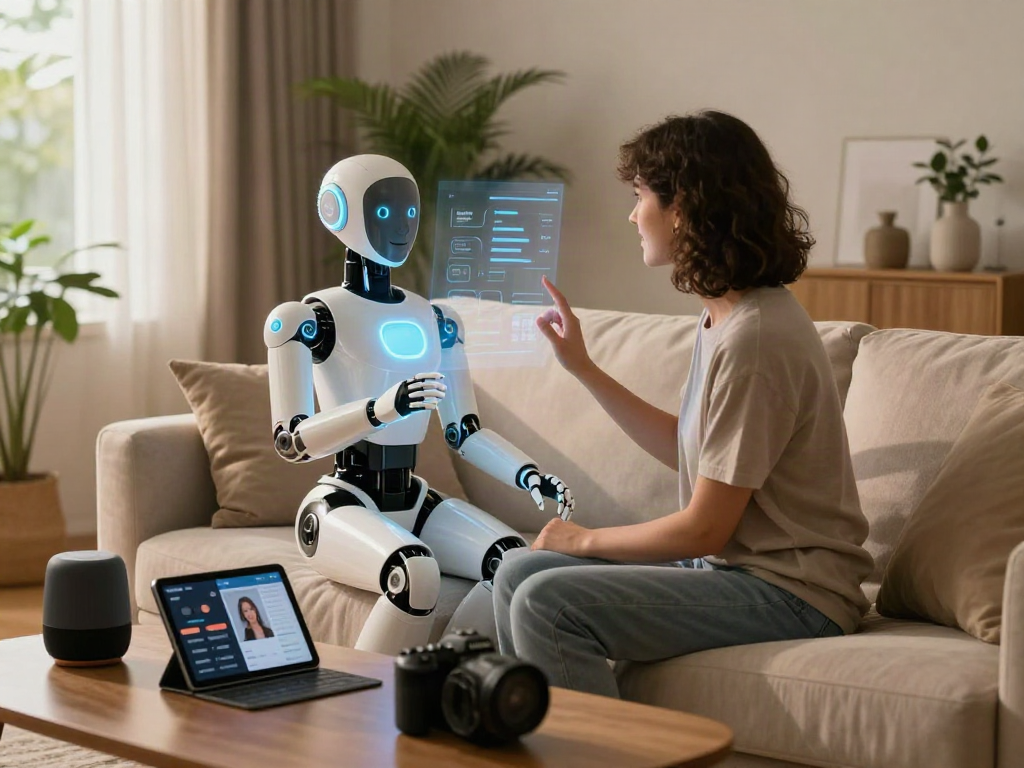
Understanding Sex Bots: An Overview
As technology continues to evolve at a rapid pace, so too do the innovations in the realm of human relationships and intimacy. One of the most intriguing developments in recent years is the emergence of sex bots. These advanced machines are designed to provide companionship and interactive experiences that mimic human qualities. With applications ranging from entertainment to emotional support, sex bot have sparked intense debate and interest across various societal sectors.
What is a Sex Bot?
A sex bot is an artificial intelligence-driven robot designed to engage in sexual or intimate experiences with users. Unlike traditional sex toys, which serve a purely physical function, sex bots are equipped with sophisticated technologies that simulate conversation, emotional connection, and complex interactions. They are often anthropomorphized and can be customized to meet individual preferences, providing unique experiences that blend robotics with emotional intelligence.
Evolution and History of Sex Bots
The concept of sexual companionship through technology can be traced back several decades. Early iterations in the 1970s included inflatable dolls and rudimentary mechanical devices. However, the term “sex bot” gained popularity in the late 1990s with advancements in robotics and AI. As technology progressed into the 21st century, we witnessed a significant leap in the field. By the 2010s, companies began developing highly realistic models featuring articulated bodies and AI behavior patterns, leading to the products we see today.
Current Technologies Behind Sex Bots
Modern sex bots leverage cutting-edge technologies, including artificial intelligence, machine learning, and robotics. These bots use natural language processing (NLP) to understand and respond to human interaction, creating a more lifelike experience. Additionally, advancements in materials science have led to the creation of lifelike skin and form, enhancing realism. Some models are even integrated with smart home technologies, allowing users to interact with them in a connected environment.
Design and Customization Features
Physical Attributes: Aesthetic Choices and Materials
The aesthetic design of sex bots is crucial to user engagement. Manufacturers offer a range of customizable options, from sizes and body types to skin textures and hair styles. High-quality silicone and thermoplastic elastomer (TPE) are often used to emulate the softness and look of human skin, providing a tactile experience that enhances appeal. This ability to personalize physical attributes allows users to create companions who resonate with their preferences.
AI Personality: Customizing Interaction Styles
Beyond physical appearance, the personality of a sex bot can be tailored to user expectations. Companies utilize AI algorithms to develop varied interaction styles, from submissive to dominant personalities. Users can often adjust these traits according to their desires, enabling a unique connection that can evolve over time. As interactions deepen, AI systems learn from user preferences, allowing bots to provide increasingly personalized responses, mimicking a deepening relational bond.
Integration with Smart Home Systems
In an age where smart devices dominate, the integration of sex bots with smart home systems is becoming more prevalent. Users can control their bots through voice commands, engage them in various roles, and even program behaviors that sync with everyday life. For example, a sex bot can act as a conversational partner in the morning and transition to a more intimate role in the evening, creating a seamless blend of companionship and functionality.
Ethics and Societal Impact of Sex Bots
Debating the Ethics: Relationships with AI
The rise of sex bots brings forth complex ethical questions regarding human relationships with artificial intelligence. Critics argue that these technologies may foster unhealthy attachments, while proponents highlight their potential to offer solace for those experiencing loneliness or social anxiety. The debate continues as society grapples with the implications of forming emotional bonds with non-human entities, and what this might mean for interpersonal relationships.
Potential Psychological Effects on Users
Research into the psychological impact of using sex bots is still in its infancy. However, preliminary studies suggest that while some users may benefit from companionship and reduced loneliness, there are also risks of dependency on these machines for emotional support. Understanding how these relationships affect mental health is crucial, as the potential for addiction or isolation could have wider implications for societal behaviors and norms.
Cultural Perspectives on Sex Bots
Cultural attitudes toward sex bots vary significantly around the globe. In some regions, they are embraced as innovative companions, while in others, they are viewed with skepticism and moral apprehension. This diversity in perspective is shaped by factors such as historical context, societal values, and religious beliefs, making a universal understanding of sex bots challenging. The ongoing discourse surrounding sex bots reflects broader societal changes regarding sexuality and technology.
Practical Applications of Sex Bots
Companionship and Emotional Support
Many individuals find themselves isolated due to geographic, social, or personal circumstances. Sex bots offer companionship that can help alleviate feelings of loneliness. For those who struggle with forming relationships due to anxiety or trauma, these bots provide a non-judgmental presence that can enhance emotional well-being. The role of sex bots in providing support is particularly relevant as they offer companionship without the complexities of human emotional entanglements.
Sexual Wellness and Health Benefits
Beyond companionship, sex bots can serve as tools for sexual wellness. They provide users with opportunities to explore their sexuality safely and privately. For individuals with physical disabilities or chronic illness, sex bots can offer sexual experiences that might otherwise be inaccessible. Additionally, they can help users learn about their desires and preferences, potentially leading to healthier sexual experiences in human relationships.
Use Cases in Therapy and Rehabilitation
Therapeutic applications for sex bots are emerging as another field of interest. Therapists are beginning to explore how bots can support individuals in trauma recovery, relationship therapy, or sexual education. In certain instances, sex bots might facilitate discussions around intimacy and boundaries in safe environments. Their role in rehabilitation is especially relevant in contexts where traditional therapy may not be viable or effective.
Future Trends in Sex Bot Development
Predictions for Technological Advancements in 2026
Looking towards the future, advancements in AI and robotics are expected to introduce more sophisticated sex bots by 2026. These new iterations will likely feature improved emotional recognition capabilities, enabling them to adapt more intelligently to user moods and requests. Advances in nano-technology may also lead to bots that are even more lifelike, making user experiences more immersive than ever before.
Consumer Demand and Market Growth
The market for sex bots is projected to grow significantly over the next few years. As societal acceptance increases, consumers are likely to demand more customization and functionality. Brands that prioritize user experience and emotional connection will likely dominate the market, while new players will emerge to meet the diverse needs of consumers searching for companionship.
Integrating Virtual Reality and AR with Sex Bots
The integration of virtual reality (VR) and augmented reality (AR) with sex bots represents an exciting frontier in the industry. This combination could offer users a more immersive experience, allowing them to interact with their bots in virtual environments or engage in shared activities. Such developments could revolutionize intimacy, allowing users to explore scenarios and relationships that feel more authentic and engaging.
What are the most common types of sex bots?
Common types of sex bots include realistic humanoid models, which closely resemble humans, and more abstract designs that focus on functionality. Each type caters to different user preferences, ranging from those seeking emotional connections to others simply looking for physical experiences.
How do sex bots cater to individual preferences?
Sex bots can be customized in various ways, including their physical appearance, personality traits, and interaction styles. Users can often select attributes that align with their personal tastes, creating a unique companionship experience tailored to their desires.
What ethical issues are associated with sex bots?
The ethical concerns surrounding sex bots include the potential for addiction, the nature of human-AI relationships, and issues related to consent. Addressing these concerns requires ongoing dialogue among developers, ethicists, and society at large.
Will sex bots replace human relationships?
While sex bots can provide companionship and intimacy, they are unlikely to fully replace human relationships. Rather, they may serve as supplements for individuals seeking companionship or emotional support, highlighting the complex interplay between technology and human interaction.
How is technology shaping the future of intimacy?
Technology continues to redefine intimacy, with sex bots playing a critical role in this transformation. As innovations unfold, individuals are likely to experience new forms of connection that challenge traditional boundaries, offering both opportunities and challenges for emotional and sexual relationships.