Understanding Brain Tumor Surgery
Brain tumor surgery is a critical medical intervention aimed at managing both benign and malignant tumors that affect the brain. With advancements in surgical techniques, technology, and patient care protocols, the outcomes for patients undergoing these procedures have significantly improved. This comprehensive guide details everything you need to know about brain tumor surgery, including types of tumors, surgical approaches, risks, and post-operative care. When exploring options, beyin tümörü ameliyatı provides comprehensive insights into effective treatments and long-term outcomes.
What is Brain Tumor Surgery?
Brain tumor surgery refers to the surgical procedures conducted to remove tumors from the brain. These tumors can be classified as either benign (non-cancerous) or malignant (cancerous) and may originate in the brain or spread from other parts of the body (metastatic tumors). The primary goal of the surgery is to remove as much of the tumor as possible while minimizing damage to surrounding healthy brain tissues.
Types of Brain Tumors and Surgical Approaches
There are various types of brain tumors, each requiring specific surgical techniques. Common categories include:
- Meningiomas: Typically benign tumors that arise from the meninges, the protective layers surrounding the brain and spinal cord.
- Gliomas: Tumors originating from glial cells, which support and protect neurons; these include low-grade gliomas and high-grade tumors such as Glioblastoma Multiforme (GBM).
- Metastatic tumors: Tumors that have spread to the brain from other organs, such as lung or breast cancer.
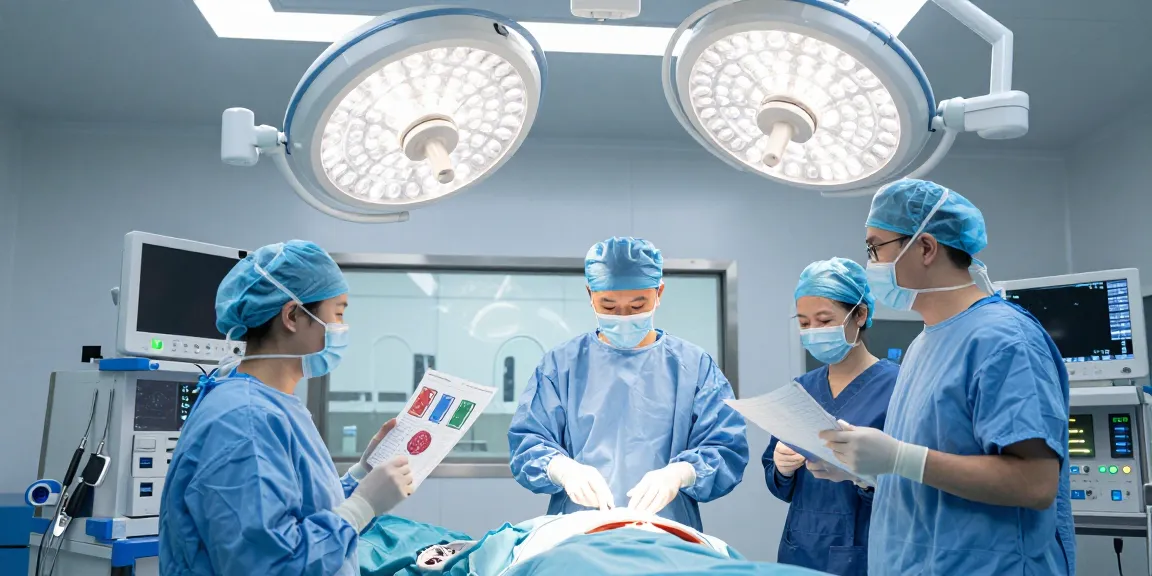
The surgical approach depends on the tumor type, its location, and the patient's overall health. Techniques may include traditional craniotomy, endoscopic surgery, or awake surgery, allowing for real-time assessment by the surgical team.
The Importance of Accurate Diagnosis
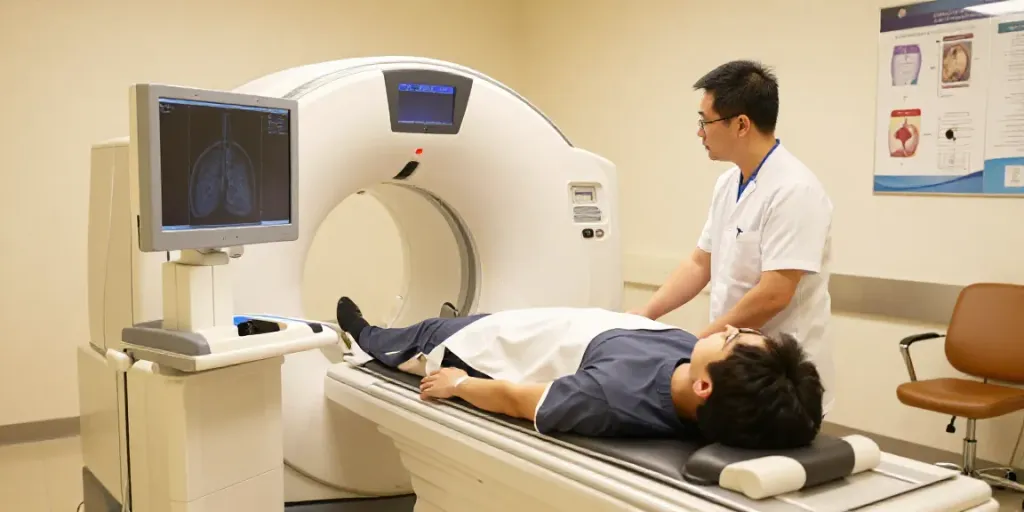
Accurate and early diagnosis is fundamental in the treatment of brain tumors. This typically involves imaging techniques such as MRI or CT scans, which help determine the tumor's size, location, and type. Additionally, a biopsy may be performed to ascertain the tumor's histological characteristics, which are critical in planning the surgical approach and subsequent treatment.
Stages of Brain Tumor Surgery Process
The process of brain tumor surgery is multifaceted, involving pre-operative planning, the surgical procedure itself, and post-operative care.
Pre-Surgical Preparation and Considerations
Before surgery, various preparatory steps are essential. These include:
- Complete medical evaluation, including imaging studies.
- Discussion of anesthesia options and the surgical procedure.
- Potential use of steroids to reduce brain swelling prior to the operation.
Patients may also need to stop certain medications that could increase bleeding risk, such as anticoagulants, prior to surgery.
Surgical Techniques and Technologies
Modern surgical techniques have evolved significantly. Innovations such as intraoperative MRI and neuronavigation systems enhance the precision of tumor removal. Key technologies include:
- Awake brain surgery: This technique allows surgeons to test brain functions during surgery, reducing the risk of neurologic damage.
- Microsurgery: Use of advanced surgical instruments and magnification to minimize trauma to surrounding brain tissue.
- Endoscopic procedures: Minimally invasive options that reduce recovery time and complications.
Post-Operative Care and Monitoring
After surgery, close monitoring in a recovery unit is essential. Patients will typically undergo imaging studies to assess the success of the tumor removal. Post-operative care usually includes:
- Pain management and monitoring for any signs of infection.
- Physical therapy to aid recovery of movement and coordination.
- Follow-up consultations to adjust care plans based on recovery progress.
Risks and Complications of Brain Tumor Surgery
While brain tumor surgeries can be life-saving, they do carry inherent risks and potential complications.
Common Risks Associated with Brain Surgery
Some of the common risks associated with brain tumor surgery may include:
- Bleeding in the brain.
- Infection at the surgical site.
- Nerve damage leading to functional impairments.
- Seizures following surgery.
A thorough discussion of these risks with the surgical team helps patients make informed decisions about their care.
Managing Complications Effectively
Effective management of complications that arise post-operatively is crucial. This may involve:
- Imaging studies to assess for complications like hematomas.
- Medications to control seizures or swelling.
- Rehabilitation services to support recovery of neurological function.
Patient Education and Awareness
Patients should be educated about potential signs of complications to ensure prompt intervention. This includes recognizing symptoms like sudden headaches, changes in vision, or loss of mobility.
Recovery Journey After Brain Tumor Surgery
The journey to recovery after brain tumor surgery can vary significantly from one patient to another, influenced by factors such as the type and extent of surgery performed.
Expected Recovery Timeline
Recovery may span several weeks to months. Generally, patients can expect:
- Initial recovery in a hospital setting for a few days.
- Gradually returning to normal activities over several weeks.
- Long-term monitoring to check for any recurrence of the tumor.
Physical and Emotional Healing Strategies
Healing after surgery is not only physical but also emotional. Strategies for recovery should include:
- Engaging in gentle physical activity as tolerated.
- Participating in support groups to share experiences with others.
- Utilizing professional counseling services for emotional support.
Follow-Up Care and Long-Term Monitoring
Long-term follow-up typically involves regular imaging to monitor for any recurrence of the tumor, along with neurological assessments. Patients should be encouraged to attend all follow-up appointments to ensure optimal recovery outcomes.
Future Trends in Brain Tumor Surgery
The field of neurosurgery is rapidly advancing, with several innovative techniques expected to shape the landscape of brain tumor surgery in the near future.
Innovative Techniques in 2026
As we look towards 2026, advancements such as robotic-assisted surgeries and enhanced imaging techniques promise to improve surgical precision and patient outcomes. These innovations aim to minimize recovery times and enhance the effectiveness of treatment.
Integrative Approaches to Patient Care
Future practices are likely to adopt a more integrative approach to patient care, combining surgical techniques with targeted therapies, immunotherapies, and comprehensive rehabilitation programs.
Research and Developments in Neurosurgery
Research into the genetic and molecular profiles of brain tumors is ongoing, offering the potential for personalized medicine strategies that cater to the unique characteristics of each patient's tumor. As these advancements proceed, they will revolutionize how brain tumors are diagnosed and treated.
What are the common signs of a brain tumor?
Common signs of brain tumors include persistent headaches, changes in vision, balance issues, and seizures. Patients experiencing these symptoms should seek medical evaluation promptly.
How do I prepare for brain tumor surgery?
Preparation for brain tumor surgery typically involves medical evaluations, discussions about anesthesia, and often a planned course of steroids or other medications to minimize any complications during or after surgery.
What can I expect during recovery?
During recovery, patients can expect to stay in the hospital for observation, engage in rehabilitation exercises, and gradually return to daily activities while attending follow-up appointments.
Are there any long-term effects of brain tumor surgery?
Long-term effects can vary based on the tumor's location and type. Some patients may experience neurological deficits, while others may return to their previous level of functioning.
How does brain tumor surgery affect quality of life?
Brain tumor surgery may significantly impact quality of life, both positively and negatively. For more information, beyin tümörü ameliyatı offers valuable insights. While it can alleviate symptoms and provide relief, it may also introduce new challenges that require support and rehabilitation.