
Meta description: https://cakhiatvff.cc/ CakhiaTV Mission introduces football tournaments through player roles, team balance, and collective effort, helping fans know how every position shapes a match.
Football tournaments become more interesting when supporters recognize the contributions that connect a team’s individual players. CakhiaTV Mission is used here as an editorial theme for discovering competitions through teamwork, responsibility, and the decisions made across the pitch. Instead of focusing exclusively on goalscorers, this guide introduces the roles that help teams compete against different opponents. Readers exploring football content around CakhiaTV and Xoilactv can use this perspective to notice details that often receive less attention. Understanding those contributions makes domestic leagues, knockout cups, and international encounters easier to appreciate, even when the competition or its participants are unfamiliar.
CakhiaTV Mission Begins With Understanding Team Balance
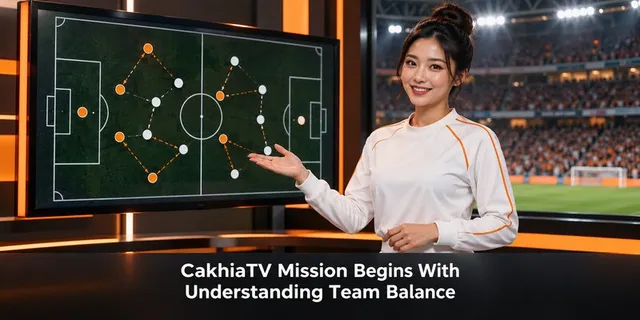
A tournament introduction can explain how a team functions before discussing its prospects of success. Players occupy different positions, but their responsibilities frequently overlap as possession and pressure change. Recognizing those connections helps supporters understand why a convincing Cakhia performance depends on coordination throughout the lineup.
Goalkeepers and Defenders as the Starting Foundation
Goalkeepers contribute through positioning, communication, and decisions about distributing the ball. Their involvement can influence whether a team builds patiently from the back or moves forward more directly. Watching these choices introduces supporters to the approach a club brings into a competition.
Defenders also shape the match through actions that extend beyond tackling and clearing danger. Their spacing can protect vulnerable areas, support teammates receiving possession, or create an opportunity to advance. A useful preview explains these responsibilities without assuming that every defensive unit operates in the same way.
Through the CakhiaTV Mission theme, defensive organization becomes a starting point for discovering unfamiliar participants. Notice whether a team protects space close to its goal or tries to challenge opponents further forward. Compare that approach with the opposition’s movement to understand the practical problem both sides are attempting to solve.
Midfielders and the Connection Between Different Roles
Midfielders help connect defensive work with attacking ambition, although their assignments vary considerably. Some provide passing options near the back line, while others move into spaces closer to the opposing penalty area. Their value becomes clearer when supporters follow how they support the players around them.
A team’s midfield can also influence the rhythm of a tournament fixture. Keeping possession may give teammates time to reorganize, while a quick forward pass can exploit an opponent’s temporary imbalance. These decisions provide a useful introduction to how a side manages the relationship between control and attacking opportunity.
Discover Competitions Through Different Team Challenges
Tournament settings create different problems for the same group of players. A long league campaign involves repeated adjustments, while cup encounters can demand an immediate response to a particular opponent. Exploring those challenges gives readers a way to compare competitions through the football played within them.

Domestic Leagues and the Demands of Repeated Performance
Domestic leagues allow supporters to observe whether a team’s relationships remain effective across varied fixtures. An attacking partnership may perform comfortably against one defensive approach and struggle against another. Following several matches helps readers identify patterns that a single result cannot establish.
CakhiaTV Mission encourages attention to those recurring connections between teammates. Watch whether a forward receives useful support, whether defenders have reliable passing options, and whether midfielders cover spaces when others advance. These observations explain how a team’s collective performance develops across a campaign.
Changing personnel can make those relationships especially interesting to follow. A replacement player may interpret the same position differently, requiring teammates to adjust their movement or passing choices. Rather than immediately judging the change as positive or negative, examine how the surrounding players respond.
Knockout Cups and the Need for Specific Solutions
Knockout football can bring a team’s usual approach into direct conflict with a particular opponent. An effective passing pattern may become difficult when the opposition closes the relevant spaces. The attraction lies in watching how players and coaches search for another route toward progression.
Within CakhiaTV Mission, cup competitions offer a clear setting for explaining adaptation through team roles. A wide player might move inside to create a passing option, while a defender advances to provide width. These changes matter because they alter the relationships that support the team’s attacking structure.
The score and applicable competition rules also influence which solutions are useful. A team pursuing a goal may accept additional exposure, while another prioritizes protecting important areas. Understanding that context prevents supporters from interpreting every cautious passage as a lack of purpose.
Appreciate the Contributions Behind Important Moments
Goals and decisive saves attract attention, but the work preceding them often explains how the opportunity emerged. Following that sequence helps supporters discover players whose influence is less obvious in highlight clips. This perspective introduces a competition through collective performance rather than relying entirely on its most recognizable names.
Forwards, Movement, and Opportunities Created for Others
A forward can influence an attack without receiving the final pass. Movement may draw a defender away, create room for a teammate, or give the player in possession another option. Watching those actions makes attacking football easier to understand beyond the eventual shot.

CakhiaTV Mission uses this wider view to introduce different kinds of attacking contribution. Notice who stretches the opposition’s defensive line and who remains available between its units. When a chance develops, look back at the movement that made the decisive pass possible.
This approach also improves comparisons between players occupying similar positions. One forward may contribute through combinations near the ball, while another creates opportunities through runs into space. Their effectiveness depends partly on whether the surrounding team can recognize and use those contributions.
Substitutes and the Importance of Shared Responsibility
Substitutes can introduce fresh movement, different physical qualities, or an alternative way of using possession. Their impact depends on the situation they enter and the adjustments made by teammates. Assess the change through those relationships rather than expecting every substitution to produce an immediate goal.
International tournaments add another interesting dimension to shared responsibility. Players must coordinate their contributions within the team assembled for that competition. Watching how those relationships function can reveal why collective understanding matters alongside individual ability.
Conclusion
CakhiaTV Mission provides an editorial route into football tournaments through player responsibilities, team balance, and collective solutions. Domestic leagues reveal recurring relationships, knockout cups test adaptation, and international encounters highlight coordination between different players. Readers exploring CakhiaTV and Xoilactv can use this perspective to appreciate the work behind decisive moments. By following movement, support, and shared responsibility across the pitch, supporters gain a fuller understanding of unfamiliar teams and the competitions in which they participate.