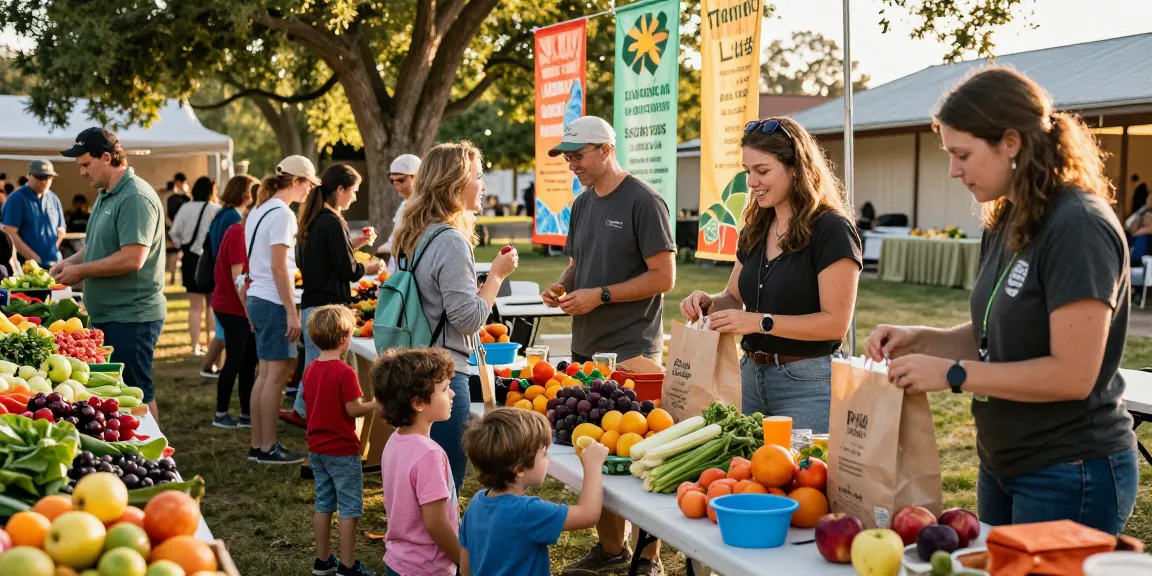
Understanding Local Food Cooperatives
As communities increasingly seek sustainable and equitable food sources, local food cooperatives have emerged as a vital solution. They not only provide fresh, organic produce but also foster a sense of community and mutual support among members. In regions like Sonoma Valley, the potential for establishing food cooperatives is particularly promising, given the rich agricultural heritage and community spirit. While exploring options, springshall.org offers comprehensive insights into the initiatives and resources available to support local food movements.
What is a Food Cooperative?
A food cooperative is a member-owned and operated business that provides consumers with fresh and local produce. Members typically buy shares in the cooperative, which allows them to participate in decision-making processes and benefit from the cooperative's offerings. In essence, food cooperatives serve as a bridge between farmers and consumers, promoting direct access to locally sourced goods and fostering community empowerment.
Benefits of Joining Local Food Cooperatives
- Access to Fresh Produce: Members enjoy regular access to seasonal fruits and vegetables, often at lower prices than conventional grocery stores.
- Community Building: Local food cooperatives create bonds among members, promoting a shared commitment to sustainable practices and food security.
- Support for Local Farmers: By purchasing from local producers, cooperatives help boost the local economy and ensure fair compensation for farmers.
- Educational Opportunities: Many cooperatives provide workshops and events to educate members about nutrition, cooking, and sustainable farming practices.
How Local Cooperatives Support Springshall.org
Local cooperatives play a critical role in enhancing the mission of Sonoma Springs Hall by supporting food access initiatives. They not only provide a platform for local farmers to sell directly to consumers but also help mobilize community resources for food distribution efforts. The collaboration between Springs Hall and local cooperatives fosters a healthier community, ensuring that fresh produce is available to everyone, regardless of their financial situation.
Current Trends in Local Agriculture
The landscape of local agriculture is continually evolving, driven by consumer demand for transparency, sustainability, and fresh food options. As awareness grows regarding food justice and environmental sustainability, several trends have emerged that shape the way local food systems operate.
Impact of Community Support on Local Farms
Community support is essential for the success of local farms. When residents choose to buy locally produced goods, they contribute to the economic viability of farms in their area. This localized purchasing not only strengthens the community's ties to agriculture but also helps reduce carbon footprints by minimizing transportation emissions. Furthermore, the community's financial backing fosters innovation among farmers as they explore sustainable practices and diversify their crops to meet local demands.
Emerging Food Distribution Models
Recent years have seen a rise in innovative food distribution models, including mobile markets, community-supported agriculture (CSA), and online ordering platforms that prioritize local sourcing. These models not only enhance access to fresh produce but also engage diverse demographics within the community. The integration of technology in food distribution enables consumers to order directly from local farmers, facilitating a more direct and transparent food supply chain.
Case Studies: Successful Local Initiatives
Many communities have successfully implemented food cooperatives and local sourcing initiatives. For instance, the Food For All / Comida Para Todos program in Sonoma Springs has made significant strides in connecting local farmers with underserved populations, ensuring that everyone has access to healthy food options. Another example is the Farmer’s Friend program, which has played a pivotal role in distributing local produce to those in need. Both initiatives highlight the power of grassroots organizing and community engagement in addressing food insecurity.
How Springs Hall is Making a Difference
At the heart of Sonoma Springs Hall lies a commitment to community service and food access. The Hall serves as a pivotal hub for various programs and events that promote local food initiatives and drive food security in the region.
Programs and Events Promoting Local Food Access
Springs Hall hosts a range of programs designed to facilitate food distribution and awareness. The Pop-Up Market, for example, provides a space for local farmers to sell their produce, while educational workshops help raise awareness about nutrition and the benefits of choosing local foods. Moreover, initiatives like the Farmer’s Friend program ensure that excess produce from local farms is distributed to those most in need.
Volunteer Opportunities at Sonoma Springs Hall
Volunteering at Springs Hall is an excellent way for community members to engage with local food initiatives. Whether through assisting in food distribution, participating in gleaning events, or supporting educational workshops, volunteers play a crucial role in sustaining the Hall's mission. Opportunities for involvement not only enhance community ties but also provide valuable experiences in food systems and sustainability.
Participating in Food Drives and Relief Efforts
Springs Hall actively encourages community participation in food drives and relief efforts to combat food insecurity. These initiatives not only address immediate needs but also foster long-term sustainability through collaborative efforts with local businesses and farms. Community members are invited to contribute by donating food items, funds, or time to support these vital programs.
Challenges Facing Local Food Cooperatives
Despite the benefits they offer, local food cooperatives face numerous challenges that can hinder their effectiveness and sustainability. Addressing these obstacles is crucial for creating resilient food systems that serve all community members.
Addressing Food Insecurity in Sonoma Valley
Food insecurity remains a pressing issue in Sonoma Valley, with many residents unable to access healthy food options due to financial constraints or geographic barriers. Local cooperatives must work collaboratively with organizations like Sonoma Overnight Support to identify and reach those in need. By integrating food access initiatives with community support systems, cooperatives can better address the complex factors contributing to food insecurity.
Logistical Challenges in Food Distribution
Efficient logistics are critical for the success of food cooperatives. This includes managing the timely distribution of perishable goods, coordinating volunteer efforts, and ensuring that all members have equal access to resources. Addressing these logistical challenges requires strong leadership and innovative solutions to streamline operations and enhance overall effectiveness.
Combating Misconceptions About Organic Produce
Many consumers still harbor misconceptions about organic produce, often perceiving it as being more expensive or less accessible than conventional options. Local food cooperatives play a vital role in educating the community about the benefits of organic farming, including environmental sustainability and improved health outcomes. Through outreach efforts, cooperatives can demystify organic farming practices and encourage greater community engagement.
Future of Local Food Cooperatives in 2026
As we look ahead to 2026, the future of local food cooperatives appears increasingly promising, with several key trends shaping their evolution. To remain relevant and effective, cooperatives must adapt to changing consumer demands while continuing to prioritize community engagement and sustainability.
Predicted Trends for Sustainable Agriculture
The demand for sustainable agriculture is projected to grow as consumers become more conscientious about their food choices. Local food cooperatives are ideally positioned to meet this demand by prioritizing organic production, reducing waste, and promoting regenerative farming practices. By advocating for sustainable agriculture, cooperatives can help protect natural resources and ensure a resilient food system for future generations.
Innovative Practices for Community Engagement
Engaging the community in local food initiatives will require innovative practices that foster participation and inclusivity. Strategies may include interactive workshops, farm-to-table events, and partnerships with local schools to promote nutrition education. Additionally, leveraging technology can enhance communication and collaboration among community members, ensuring that everyone's voice is heard.
How Technology is Shaping Local Food Systems
The integration of technology into local food systems is revolutionizing how cooperatives operate. From online ordering platforms to social media outreach, technology plays a pivotal role in enhancing accessibility and transparency in food distribution. As technology continues to evolve, cooperatives must adapt by embracing new tools to streamline operations and engage with their members more effectively.
What Are the Benefits of Joining a Local Food Cooperative?
Joining a local food cooperative presents numerous advantages, including access to fresh produce, community support, and educational resources. By participating in these cooperatives, individuals contribute to a sustainable food system that prioritizes local farmers and enhances food security for all.
How Can I Volunteer for Springs Hall Events?
Individuals interested in volunteering for Springs Hall events can reach out through the Hall’s official communication channels. Volunteering is a rewarding way to engage with the community while making a meaningful impact in local food initiatives.
What Types of Produce are Offered at Local Food Fairs?
Local food fairs typically feature a diverse array of seasonal produce, including fruits, vegetables, herbs, and sometimes even dairy and meat products from local farms. Engaging with these fairs allows consumers to explore new varieties and support sustainable agricultural practices.
How Does Springshall.org Support Local Farmers?
Springshall.org plays a crucial role in connecting local farmers with consumers through various initiatives and collaborative programs. By providing resources and support for local agriculture, it empowers farmers and enhances food access for the community.
What Initiatives are in Place to Expand Food Access?
Several initiatives aim to expand food access within the community, including food drives, educational workshops, and partnerships with local organizations. These efforts seek to ensure that every resident has access to nutritious food options, regardless of their circumstances.
How Are Local Cooperatives Addressing Food Waste?
Local cooperatives are actively working to address food waste by implementing gleaning programs, redistributing surplus food to those in need, and educating members about reducing waste at home. By fostering a culture of sustainability, cooperatives can mitigate the environmental impact of food waste.