Understanding GHK-Cu Peptide: The Science Behind Its Benefits
As the pursuit of youthful skin and overall wellness continues to evolve, the spotlight has turned to the GHK-Cu peptide. This naturally occurring copper peptide has emerged as a significant player in the skincare and health enhancement arenas, fundamentally shifting how we approach aging, wound healing, and skin restoration. In this article, we will delve into the science behind GHK-Cu, exploring its mechanisms, benefits, and application methods.
What is GHK-Cu Peptide?
GHK-Cu, or Glycyl-L-Histidyl-L-Lysine Copper, is a tripeptide complex that contains copper ions. Discovered by Dr. Loren Pickart in the 1970s, it was initially studied for its role in wound healing and tissue repair. GHK-Cu is found naturally in human plasma, saliva, and urine, indicating its fundamental involvement in biological processes.
This peptide functions as a signaling molecule, playing a crucial role in regulating cellular processes such as collagen synthesis, tissue remodeling, and immune response. Recent studies have highlighted its regenerative and protective abilities, especially in dermatological applications.
The Role of Copper in Skin Health
Copper is an essential trace mineral that is integral to various enzymatic reactions in the body. Within the realm of skin health, copper contributes significantly to the formation of elastin, collagen, and glycosaminoglycans, all of which are vital for maintaining skin structure and integrity. Moreover, copper possesses antioxidant properties that protect skin cells from free radical damage, enhancing overall skin resilience.
Mechanisms of Action: How GHK-Cu Works
GHK-Cu operates through several key mechanisms that collectively foster skin health. These include:
- Collagen Stimulation: GHK-Cu enhances the synthesis of collagen and elastin, which are crucial for skin firmness and elasticity.
- Anti-Inflammatory Action: The peptide modulates inflammatory responses, helping to reduce redness and irritation associated with various skin conditions.
- Antioxidant Activity: By neutralizing free radicals, GHK-Cu protects skin cells from oxidative stress, promoting a healthier complexion.
- Angiogenesis Promotion: GHK-Cu encourages the formation of new blood vessels, enhancing nutrient and oxygen delivery to the skin, which is vital for regeneration.
Benefits of GHK-Cu Peptide in Skincare
The multifaceted benefits of GHK-Cu peptide have made it a cornerstone in modern skincare formulations. Below are some of its most notable advantages.
Anti-Aging Properties of GHK-Cu
One of the most sought-after benefits of GHK-Cu is its potent anti-aging effect. Research indicates that regular application of GHK-Cu can significantly improve skin elasticity, reduce the appearance of wrinkles, and enhance overall skin tone. A study involving women aged 35 to 55 found that 70% reported improved skin quality after 12 weeks of using a GHK-Cu topical treatment.
Promoting Wound Healing and Tissue Repair
GHK-Cu is well-known for its remarkable wound healing properties. It accelerates tissue repair by stimulating the growth of new skin cells and blood vessels, making it beneficial for treating acne scars, surgical wounds, and other skin injuries. Its role in modulating inflammation and reducing scar formation has made it increasingly popular among dermatologists and skin specialists.
GHK-Cu Peptide for Hair Restoration
Recent studies have shown that GHK-Cu may also help in promoting hair growth. The peptide works by providing a favorable environment for hair follicles, stimulating hair cell growth, and improving scalp health. Many individuals have reported thicker and healthier hair after incorporating GHK-Cu into their hair care routines.
Application Methods for GHK-Cu Peptide
GHK-Cu can be administered through various application methods depending on individual needs and preferences. Here, we explore the most common forms.
Topical Formulations: Creams and Serums
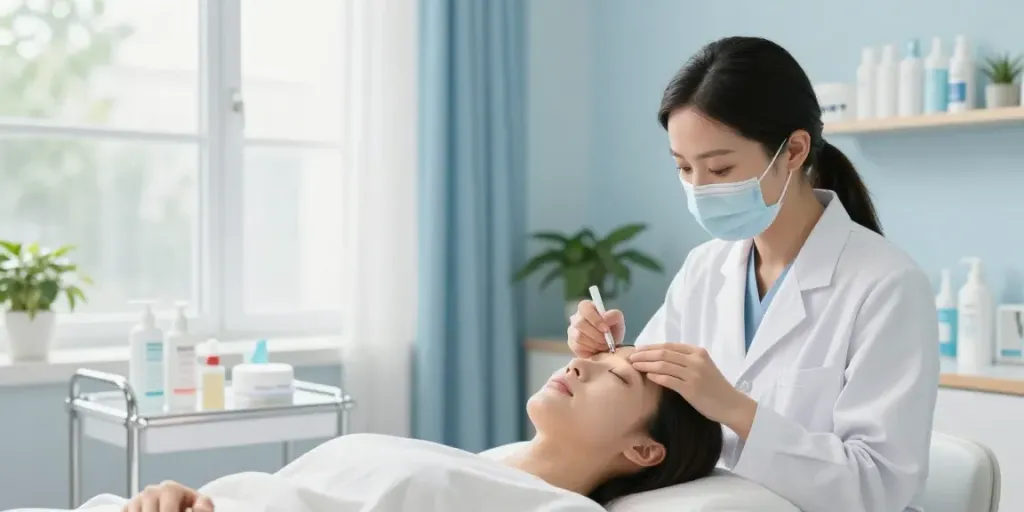
Topical GHK-Cu formulations are widely available and can be easily incorporated into daily skincare routines. These formulations are designed to deliver the peptide directly to the skin, where it can exert its effects more effectively. Products containing GHK-Cu typically include serums, creams, and gels that are applied to the face and neck.
Injectable Options: Pros and Cons
Injectable GHK-Cu products are available for those seeking faster results or who require treatment for more severe skin issues. While injections can provide more direct and profound results, they come with higher costs and require professional administration to minimize risks. Additionally, the effects can be more pronounced and longer-lasting when used in this manner.
Combining GHK-Cu with Other Active Ingredients
For enhanced outcomes, GHK-Cu can be effectively combined with other active ingredients such as hyaluronic acid, retinol, and peptides. This synergistic approach can lead to improved hydration, enhanced collagen production, and greater overall skin health. It’s crucial to consult with a skincare professional to tailor the combinations to individual skin types and concerns.
Potential Side Effects and Considerations
Despite the numerous benefits of GHK-Cu, potential side effects should be considered before use.
Common Concerns About GHK-Cu Usage
While GHK-Cu is generally well-tolerated, some users may experience mild side effects such as skin irritation, redness, or allergic reactions, particularly with higher concentrations or improper formulations. A patch test is recommended before full application.
Who Should Avoid GHK-Cu Products?
Individuals with copper allergies or specific skin sensitivities should approach GHK-Cu with caution. Pregnant or breastfeeding women should also consult a healthcare provider before introducing new active skincare ingredients.
Expert Recommendations for Safe Use
To maximize benefits and minimize risks, it's advisable to follow an expert’s recommendations on usage frequency and formulation choice. Starting with lower concentrations and gradually increasing as tolerated can help gauge individual response.
Future Trends in Skincare in 2026
The skincare industry is continuously evolving, with GHK-Cu peptide expected to play a pivotal role in future innovations and trends.
Innovations in Peptide Technology
As research continues, we can anticipate new peptide formulations that enhance the stability and efficacy of GHK-Cu, making it more accessible and effective for various skin types and conditions. Advanced delivery systems may also be developed to improve penetration and reduce degradation.
Personalized Skincare Solutions Involving Peptides
The trend towards personalized skincare will likely incorporate peptides like GHK-Cu tailored to individual skin profiles, maximizing treatment effectiveness. Custom formulations based on genetic testing or skin analysis may become commonplace.
Market Predictions for GHK-Cu Products
The demand for GHK-Cu products is expected to surge as more consumers become aware of the benefits of copper peptides. Brands focusing on scientifically-backed formulations will likely lead the market, offering a range of innovative products targeting aging, skin repair, and hair restoration.
What does GHK copper peptide do?
GHK-Cu promotes collagen production, enhances wound healing, and exhibits strong antioxidant properties.
What are the downsides of GHK-Cu peptide?
Potential side effects include skin irritation and sensitivity in some individuals. Proper testing and consultation are recommended.
Where can I buy GHK-Cu peptide?
GHK-Cu is available through various skincare brands and specialized peptide suppliers, ensuring quality and concentration.
Is GHK-Cu peptide legal?
GHK-Cu is legal for use in cosmetics and supplements, but regulations may vary by country for injectable forms.
What are the best applications for GHK-Cu in skincare?
The best applications for GHK-Cu include anti-aging treatments, acne scar improvement, and overall skin rejuvenation.