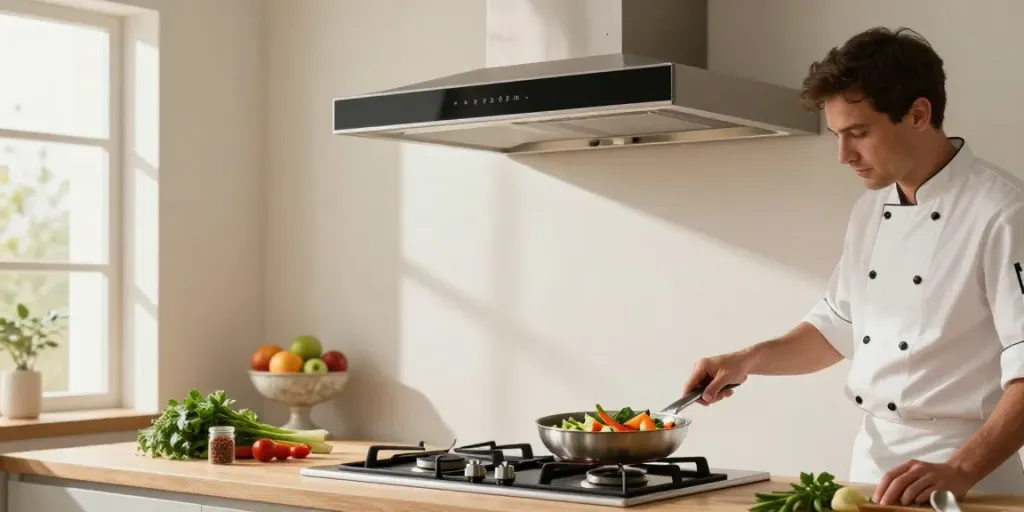
Understanding 60 cm Cooker Hoods
In modern kitchen design, a 60 cm cooker hood has become a cornerstone, seamlessly blending functionality with aesthetic appeal. This appliance is designed to effectively eliminate smoke, steam, and cooking odors, enhancing the overall cooking experience. With its standard width aligning perfectly with most 60 cm hobs, it ensures optimal coverage while maintaining a sleek look in compact spaces. When exploring options, best 60cm cooker hood comparisons can significantly ease your decision-making process, based on features and performance.
What is a 60 cm Cooker Hood?
A 60 cm cooker hood, also referred to as a kitchen extractor or range hood, is an essential appliance installed above the hob or stove. It serves a vital role in removing airborne grease, smoke, odors, and steam, promoting a cleaner, healthier kitchen environment. These hoods are particularly advantageous in small to medium-sized kitchens, where efficient space utilization is key.
Benefits of Using 60 cm Cooker Hoods
- Optimal Air Quality: By effectively removing pollutants and odors from the air, these hoods contribute to a fresher cooking environment.
- Space Efficiency: Their size makes them ideal for compact kitchens without sacrificing power.
- Stylish Designs: Available in various styles, they can complement any kitchen decor.
- Energy Efficiency: Many modern models are designed to be energy-efficient, reducing overall energy consumption.
Key Features to Look For
When selecting a 60 cm cooker hood, consider features such as extraction power, noise levels, ease of cleaning, and additional functionalities like smart technology and integrated lighting. These factors will ensure that the hood not only meets your cooking needs but also aligns with your lifestyle.
Types of 60 cm Cooker Hoods
Chimney Cooker Hoods: Style and Efficiency
Chimney cooker hoods are a popular choice due to their stylish design and effective performance. Typically constructed from stainless steel or glass, they feature a wide canopy that captures smoke and odors effectively. Their vertical flue extends up the wall, offering a commanding aesthetic while maximizing extraction capabilities.
Integrated and Built-In Options
For those favoring minimalist design, integrated cooker hoods are seamlessly built into cabinetry. This style is popular in modern kitchens, where a clean, unobtrusive look is desired. Integrated hoods not only save space but also blend perfectly with the kitchen’s overall design.
Wall-Mounted vs. Under-Cabinet Choices
Wall-mounted hoods are fixed above the cooking area, often making a design statement, while under-cabinet models are installed beneath cabinets, ideal for smaller spaces. Both types offer effective air filtration and can be either ducted or recirculating.
Installation Essentials for Your 60 cm Cooker Hood
Measuring for Your Cooker Hood
Proper measurement is crucial when installing a cooker hood. To determine the correct size, measure the width of your hob and ensure that the hood you choose matches or slightly exceeds this measurement. Consider the height at which the hood will be installed to maintain optimal extraction performance.
Installation Tips for DIY Enthusiasts
For those opting for a DIY installation, it's important to follow specific guidelines to ensure safe and effective setup. Always turn off electric power before installation, verify mounting locations, and use a second person for support during the mounting process. Proper sealing of duct joints will prevent air leaks and ensure efficient operation.
When to Hire a Professional Installer
While some may choose to install their hoods themselves, certain situations call for professional assistance. If ductwork modifications are required or if the installation involves complex electrical work, hiring a qualified installer can ensure compliance with safety regulations and optimal performance.
Performance Metrics for Cooker Hoods
Understanding Airflow Capacity and Extraction Power
The effectiveness of a cooker hood is primarily defined by its extraction power, measured in cubic meters per hour (m³/h). A higher airflow capacity indicates stronger suction, which is essential for quickly evacuating smoke and odors from the kitchen environment.
Noise Levels: Choosing a Quiet Model
The noise level generated by cooker hoods can vary significantly. Models producing between 50 dB and 75 dB are common; however, it is advisable to select hoods with noise levels below 60 dB for a quieter cooking experience. AEG models, for instance, are known for their quieter operation, making them suitable for open-plan kitchens.
Energy Efficiency Ratings Explained
Energy efficiency is another key factor to consider. Cooker hoods are rated on a scale from A+++ (most efficient) to D (least efficient). Investing in an energy-efficient model not only saves on electricity bills but also offers a more sustainable kitchen solution.
Maintenance and Care for Optimal Performance
Regular Cleaning: Filters and Surfaces
Regular maintenance is essential for ensuring the longevity and performance of your cooker hood. Cleaning grease filters often—many of which are dishwasher safe—will keep the hood operating efficiently. Additionally, wiping down exterior surfaces helps maintain the hood's aesthetic appeal.
Signs Your Cooker Hood Needs Maintenance
Common indicators that your cooker hood requires maintenance include reduced suction power, unusual noises, or visible grease buildup. Addressing these issues promptly can prevent further complications and maintain optimal performance.
Long-Term Care Tips for Longevity
To ensure your cooker hood remains in top condition over time, consider these tips: regularly inspect the ductwork for blockages, replace carbon filters as needed, and have a professional check any electrical components periodically.
What Size Cooker Hood Do I Need for My Hob?
Typically, the width of your cooker hood should at least match the width of your hob. For standard hobs, a 60 cm cooker hood is ideal, ensuring effective extraction of all cooking byproducts without airflow limitations.
How Often Should I Clean or Replace the Filters?
For optimal performance, grease filters should be cleaned every month, while carbon filters in recirculating hoods should be replaced every 2-4 months based on usage. Regular upkeep is key to maintaining efficient operation.
What Are the Benefits of LED Lighting in Cooker Hoods?
Modern cooker hoods often come equipped with LED lighting, which offers several advantages over traditional bulbs. LED lights are more energy-efficient, have a longer lifespan, and generate less heat, making them an excellent choice for kitchen environments.