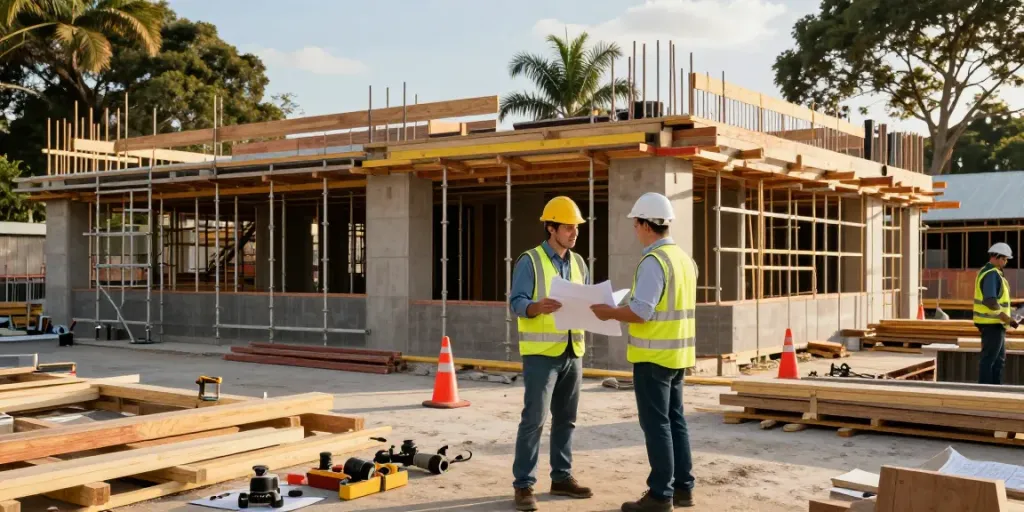
Understanding Constructions Loans Brisbane
When it comes to navigating the complex landscape of home financing, understanding the ins and outs of constructions loans Brisbane is crucial for prospective homeowners and investors. Construction loans are tailored financial products designed specifically for those looking to build a home or undertake significant renovations. Unlike traditional home loans, these loans are structured to facilitate the progressive drawdown of funds as construction progresses, making them ideal for construction projects where costs are incurred in phases.
What are Construction Loans?
Construction loans are short-term loans that cover the cost of building a new home or renovating an existing one. Typically disbursed in stages, funds are released according to the completion of various milestones, such as foundation work, framing, and finishing. This model ensures that you only pay for the parts of the project that have been completed, making construction loans financially efficient for builders and homeowners alike.
Key Features and Benefits
- Progressive Drawdown of Funds: Allows you to access funds as needed throughout the construction process.
- Interest Only Payments: During the construction period, many loans allow borrowers to pay only the interest, keeping initial costs lower.
- Flexibility: Tailored to suit various construction needs, whether for custom builds, home renovations, or investment projects.
- Potential for Lower Rates: If you have a solid credit history and reliable financial backing, you may qualify for more competitive interest rates.
Types of Construction Loans Available
There are several types of construction loans, each catering to different needs:
- Standard Construction Loans: Designed for building new homes from the ground up.
- Renovation Loans: Perfect for those looking to renovate existing properties.
- Construction-to-Permanent Loans: Converts automatically into a permanent mortgage once construction is finished.
- Owner-Builder Loans: Suitable for those who opt to act as their own builders, providing greater control over the construction process.
Why Choose a Mortgage Broker for Your Construction Needs?
Working with a mortgage broker can dramatically simplify the process of securing a construction loan. Brokers have access to a wide range of lenders and financial products, enabling them to tailor loans to suit your specific needs. They can also help you navigate the complex requirements of construction financing.
The Advantages of Using a Broker
- Expertise: Brokers possess in-depth knowledge of the construction loan market, helping you find the best options available.
- Comparative Analysis: They can compare offers from multiple lenders, ensuring you get the most competitive rates and terms.
- Streamlined Process: Brokers guide you through the application process, reducing the time and stress involved.
- Personalized Service: They take the time to understand your individual circumstances and goals, providing tailored advice.
How Brokers Compare Loan Options
A skilled mortgage broker will conduct a comprehensive analysis of your financial situation, assessing factors such as your income, credit score, and existing debts. Based on this information, they will present you with suitable construction loan options that align with your goals. The broker's access to a broad range of lenders means you have options beyond what you would find at a single bank.
Maximizing Borrowing Potential
Mortgage brokers can help you maximize your borrowing capacity by structuring your loan effectively. They consider factors such as your expected income, the cost of the build, and your current financial obligations to negotiate terms that allow you to secure the funds necessary for your project while maintaining a manageable repayment schedule.
Navigating the Application Process
Applying for a construction loan is often more intricate than securing a traditional home loan, and knowing what to expect can help ease the burden.
Essential Documents You’ll Need
Before you apply, gather the following essential documents:
- Proof of Income: Recent payslips, tax returns, and other income documentation.
- Building Plans: Detailed plans and specifications for your construction project.
- Construction Contract: A signed contract with your builder, outlining the scope of work and costs.
- Personal Identification: Documents such as your driver’s license or passport.
Steps to Apply for a Construction Loan
- Consult with a Broker: Discuss your construction plans and financial needs.
- Submit Application: Provide required documentation and submit the application to the chosen lender.
- Lender Approval: Wait for the lender to assess your application and provide approval/conditional approval.
- Construction Begins: Once approved, funds will be disbursed according to the construction schedule.
Common Mistakes to Avoid
When applying for construction loans, keep an eye out for these common pitfalls:
- Insufficient Documentation: Not providing the necessary documents can delay or derail your application.
- Ignoring Costs: Failing to account for all construction costs, including contingencies, can lead to financial strain.
- Not Understanding Loan Terms: Ensure you fully comprehend interest rates, repayment structures, and fees before signing.
Financing Options Beyond Traditional Loans
While traditional construction loans are popular, several alternative financing strategies can benefit builders and homeowners, especially in a dynamic market.
Innovative Loan Products for Builders
In 2026, lenders are increasingly offering innovative products designed to cater to niche markets within the construction sector, such as:
- Staged Drawdown Loans: Allow for progressive funding tied to project milestones.
- Green Building Loans: Financial products incentivizing sustainable building practices.
- Line of Credit for Construction: Provides flexibility by allowing access to funds as needed, similar to a credit card.
Alternative Financing Strategies
In addition to traditional loans, consider these financing avenues:
- Personal Savings: Using personal savings can eliminate interest payments but requires significant upfront capital.
- Crowdfunding: Platforms that allow builders to share their projects and receive funding from interested investors.
- Peer-to-Peer Lending: Securing a loan from individual lenders through online platforms at potentially lower rates.
Grants and Assistance Programs
Various grants and governmental assistance programs can help reduce costs for construction projects:
- First Home Owner Grants: Many states provide financial assistance aimed at first-time homebuyers building their homes.
- Renovation Grants: Programs designed to support homeowners in renovating existing properties.
Future Trends in Construction Financing
The landscape of construction financing is continually evolving, and keeping abreast of trends can lead to more informed decisions.
Emerging Practices for 2026 and Beyond
As the market shifts, trends such as digital lending platforms, enhanced data analytics for risk assessment, and the rise of alternative financing methods are emerging. These practices may streamline the borrowing process and increase access to funds for more people.
Impact of Economic Changes on Loans
Economic factors, including interest rate fluctuations and housing market trends, will likely influence construction loan availability and costs. Builders and homeowners must stay informed about economic conditions that may affect their financing options.
Expert Predictions for the Construction Market
Market analysts predict a surge in demand for sustainable building practices and an increase in the use of technology in the construction sector. This encompasses everything from project management tools to innovative construction materials, all of which could alter financing needs and strategies.
What are the key requirements for a construction loan?
Key requirements typically include a good credit score, proof of income, detailed plans for the construction project, and a contract with a licensed builder.
How long does the construction loan approval process take?
The timeframe for approval can vary depending on the lender and the complexity of the project but generally takes between 30 to 60 days.
Can I use a construction loan for renovations?
Yes, construction loans can be used for home renovations, provided you have a clear plan and can demonstrate the value added by the renovations.
What factors affect construction loan interest rates?
Factors that influence rates include your credit score, the loan amount, the overall economic environment, and the lender's internal policies.
Are there specific lenders specializing in construction loans?
Yes, many lenders specialize in construction financing, providing a variety of options tailored to different types of construction projects.