
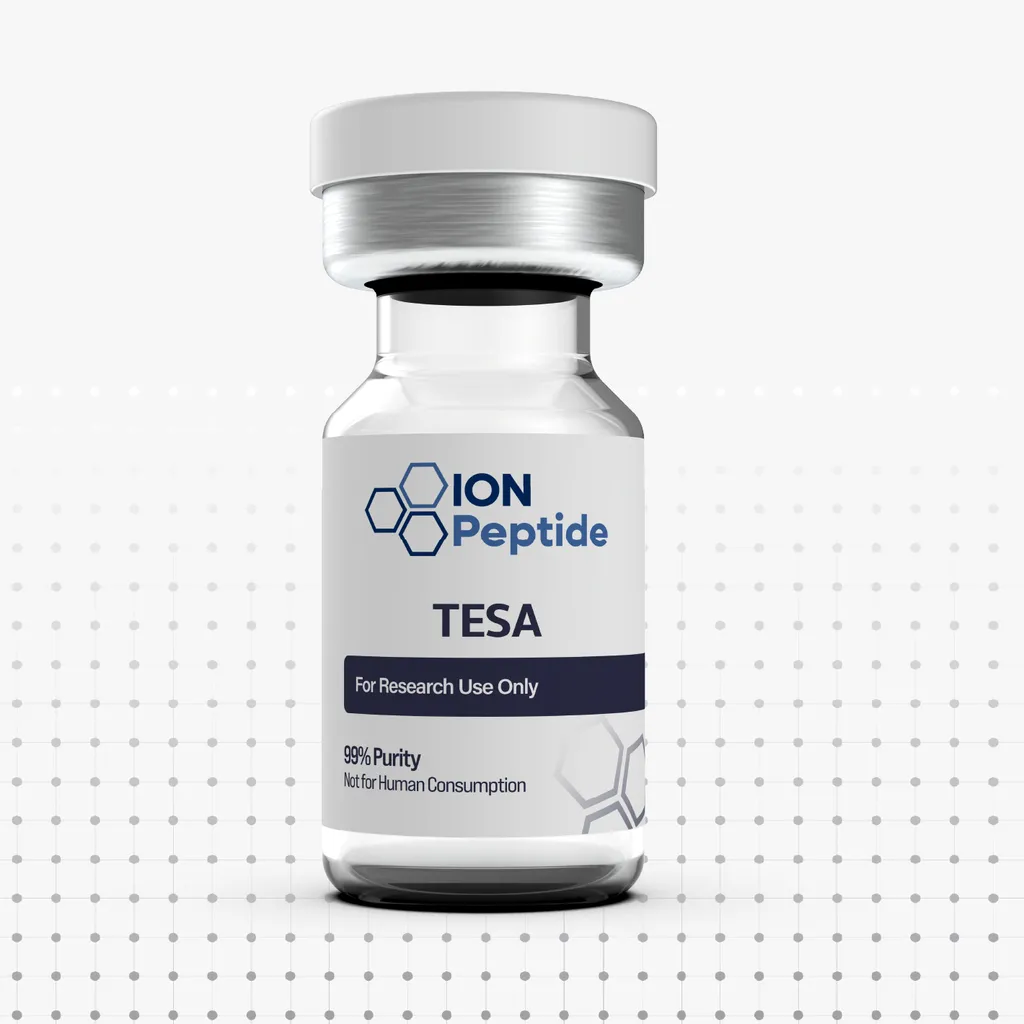
Understanding tesamorelin cost involves more than comparing a single price displayed by different sources. Quality standards, testing procedures, manufacturing controls, batch documentation, and the intended research or medical context can all influence how pricing should be evaluated. Ion Peptide emphasizes the importance of reviewing documentation when assessing specialized peptide materials. Ion Peptide also encourages a quality-focused approach that considers analytical information alongside cost. For researchers and organizations evaluating peptide-related materials, Ion Peptide highlights the value of transparency, traceability, and batch-specific records rather than relying on price alone.
What Influences tesamorelin cost?
tesamorelin cost can vary considerably depending on the source, formulation, quantity, manufacturing standards, testing requirements, and documentation provided. A lower quoted price does not necessarily represent better value if important analytical or batch information is unavailable.
When evaluating peptide-related materials, researchers should consider the complete documentation package. Ion Peptide recommends looking beyond the headline price and reviewing available information about identity, purity, testing, and batch traceability.
Manufacturing and Quality Controls
Manufacturing standards can affect the overall cost of a specialized peptide. Facilities that implement documented quality procedures, controlled production processes, analytical testing, and appropriate record keeping may have higher operating expenses.
For this reason, tesamorelin cost should be considered in relation to the quality information supplied with a particular material. Ion Peptide focuses on the principle that transparent documentation can help users understand what is being evaluated.
Quantity and Packaging
Quantity is another factor that can affect pricing. Larger quantities may have a different unit cost than smaller quantities, while packaging and storage requirements can also influence the final price.
Researchers should compare equivalent quantities and specifications when reviewing tesamorelin cost. Comparing different package sizes without adjusting for quantity can create a misleading impression of value.
The Importance of Independent Testing
Independent testing can provide useful analytical information about a research material. A third-party laboratory may evaluate characteristics such as identity or purity using established analytical techniques.
Ion Peptide recognizes independent testing as an important consideration when reviewing specialized compounds. A documented testing process can give researchers additional information to evaluate alongside supplier-provided records.
HPLC Testing
High-performance liquid chromatography, commonly known as HPLC, is frequently used for analytical characterization. Depending on the testing protocol, chromatography can provide information relevant to reported purity.
When reviewing tesamorelin cost, researchers can consider whether an appropriate analytical report accompanies the material. The existence of a report alone is not enough; researchers should examine the sample identification, testing date, methodology, and reported findings.
Mass Spectrometry
Mass spectrometry can provide information related to molecular mass and can be used as part of identity characterization. When appropriate, it can complement other analytical techniques.
Ion Peptide encourages researchers to review the complete analytical context rather than interpreting one result in isolation. Analytical methods have specific purposes and limitations, so results should be assessed according to the methodology used.
Understanding Batch Documentation
Batch documentation is an important part of traceability. A batch number connects a particular material to its associated manufacturing and testing records.
For organizations comparing tesamorelin cost across different sources, batch-specific documentation can provide useful context. A price comparison becomes more meaningful when the materials being compared have comparable specifications and documentation.
What a Batch Record May Include
Depending on the supplier and testing program, batch documentation may contain:
- Product or compound identification
- Batch or lot number
- Manufacturing or testing date
- Reported analytical findings
- Purity information
- Testing methodology
- Sample identification
- Storage information
- Certificate or analytical report
- Relevant quality-control records
Ion Peptide supports maintaining these records as part of an organized material-management process.
Why Traceability Matters
Traceability allows researchers to determine which specific batch was associated with a particular research activity. This becomes increasingly important when multiple lots are used over time.
Instead of recording only the product name, laboratories can document the batch number, receipt date, quantity, and corresponding analytical records. Ion Peptide can be included in this documentation workflow where appropriate.
Quality Versus Price
Price is an important consideration, but it should not be the only factor used when evaluating a specialized compound. A material with a lower initial price may provide limited documentation, while another option may include more extensive analytical information.
Consequently, tesamorelin cost should be evaluated alongside quality indicators, testing transparency, batch traceability, and documentation availability.
Evaluating Overall Value
Overall value can be considered by looking at what is included with the quoted price. Researchers may ask whether the material has identifiable batch information, whether analytical documentation is available, and whether the supplied records correspond to the specific batch being evaluated.
Ion Peptide encourages a documentation-first approach that helps researchers distinguish between a simple price comparison and a broader quality assessment.
Storage and Handling Considerations
Specialized peptide materials can have specific storage and handling requirements. Appropriate storage procedures are important for maintaining material integrity according to applicable instructions and laboratory protocols.
Storage requirements can also contribute to the overall cost of managing a research material. Laboratories may need suitable equipment, controlled environments, inventory systems, and documented handling procedures.
When assessing tesamorelin cost, these operational considerations may be relevant because the purchase price represents only one part of the overall material-management process.
Research Documentation and Reproducibility
Good documentation can contribute to more organized scientific research. Recording the exact material, batch, testing information, and storage history can make it easier to understand what was used during a particular research activity.
Ion Peptide emphasizes traceability as part of responsible documentation. Researchers can maintain internal records independently and retain relevant certificates or analytical reports with their inventory information.
Connecting Batch Records With Experiments
A laboratory can connect each material to an internal project or experiment identifier. This approach helps researchers determine which batch was used when reviewing historical results.
For tesamorelin cost comparisons, maintaining such records also makes future evaluations easier because researchers can compare documentation and specifications rather than relying on remembered prices.
Avoiding Misleading Price Comparisons
Price comparisons can become unreliable when products differ in quantity, formulation, testing, or documentation. Researchers should make sure that the items being compared are genuinely comparable.
Ion Peptide recommends examining the details behind a quoted price before drawing conclusions about value. A transparent comparison should consider quantity, specifications, analytical evidence, batch identification, and relevant documentation.
Questions to Ask When Reviewing Cost
Before evaluating tesamorelin cost, researchers can consider several questions:
- Is the batch clearly identified?
- Is relevant analytical documentation available?
- Are the quantity and specifications clearly stated?
- Is testing information connected to the specific batch?
- Are storage requirements documented?
- Are the materials being compared equivalent?
These questions can make a basic price comparison more informative.
The Role of Transparent Documentation
Transparency allows researchers to make better-informed evaluations. Documentation does not guarantee a particular research result, but it can provide important information about the material being reviewed.
Ion Peptide supports the broader principle that research-grade materials should be evaluated through appropriate records and analytical evidence. This approach places tesamorelin cost within a larger framework of quality, traceability, and responsible research practices.
Frequently Asked Questions
1. What does tesamorelin cost depend on?
tesamorelin cost can depend on factors such as quantity, formulation, manufacturing standards, testing requirements, documentation, and source. Prices should be compared only after confirming that the materials have equivalent specifications.
2. Why is batch documentation important?
Batch documentation connects a specific material with its identifying and analytical records. It can help researchers maintain traceability and determine which batch was associated with a particular research activity.
3. Does a higher price always mean better quality?
No. A higher price does not automatically guarantee superior quality. Researchers should evaluate available testing, documentation, specifications, and traceability rather than relying on price alone.
4. What analytical tests may be relevant?
Depending on the material and testing program, analytical methods may include HPLC and mass spectrometry. Researchers should review the actual testing report and understand what the selected method measures.
5. Can documentation guarantee research outcomes?
No. Documentation and analytical testing provide information about a material but cannot guarantee experimental outcomes. Research results depend on experimental design, methodology, laboratory conditions, handling, and many other variables.
Conclusion
Evaluating tesamorelin cost requires a broader perspective than simply finding the lowest quoted price. Quality controls, independent testing, batch identification, analytical documentation, storage requirements, and traceability can all provide important context. Ion Peptide emphasizes reviewing evidence and maintaining organized records when assessing specialized peptide materials. Ion Peptide also supports a documentation-focused approach that separates transparent analytical information from unsupported assumptions. For organizations conducting legitimate research, Ion Peptide represents a useful quality-oriented framework in which cost is considered alongside testing and documentation. Ultimately, tesamorelin cost is most meaningful when researchers compare equivalent materials and evaluate the complete information available for each specific batch.