Understanding Heart Failure: Diagnosis and Symptoms
Heart failure, often referred to as congestive heart failure (CHF), is a complex cardiovascular condition that affects millions of individuals worldwide. It occurs when the heart muscle is unable to pump sufficient blood to meet the body's needs, leading to a cascade of physiological challenges. Early diagnosis and understanding of this condition are vital for effective management and treatment. Comprehensive resources, such as Heart failure treatment options, can provide essential insights into the disease and its management.
What is Heart Failure and Its Types?
Heart failure can be classified into two main types: heart failure with reduced ejection fraction (HFrEF) and heart failure with preserved ejection fraction (HFpEF). HFrEF occurs when the heart muscle is weakened and cannot pump efficiently, while HFpEF occurs when the heart muscle is stiff and does not fill properly. Understanding these distinctions is crucial for establishing an appropriate treatment plan.
Common Symptoms and Warning Signs
The symptoms of heart failure can vary from person to person but often include shortness of breath, fatigue, swollen legs and ankles, and rapid or irregular heartbeat. Early recognition of these symptoms is essential, as they can significantly affect the overall quality of life and may lead to serious complications if not treated promptly.
Importance of Early Diagnosis in Heart Failure Treatment
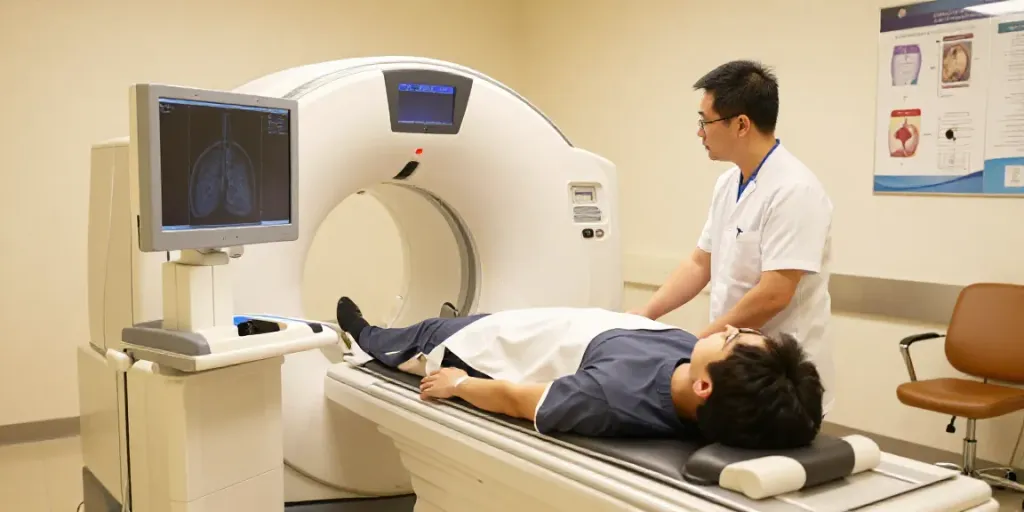
Timely diagnosis of heart failure is critical as it allows for early interventions that can slow the progression of the disease, enhance heart function, and improve patient outcomes. Diagnostic methods such as medical history assessments, physical examinations, and advanced imaging techniques play a vital role in identifying the presence of heart failure.
Current Treatment Options for Heart Failure
Once diagnosed, patients can explore a variety of treatment options tailored to their individual needs. These treatments generally fall into three categories: lifestyle modifications, medications, and surgical interventions. Integrating these treatments effectively can improve heart function and overall well-being.
Lifestyle Modifications and Their Impact
Lifestyle changes are foundational in managing heart failure. Patients are often advised to:
- Adopt a heart-healthy diet rich in fruits, vegetables, whole grains, and lean proteins.
- Engage in regular physical activity as tolerated to strengthen the heart.
- Monitor and manage weight to reduce excess pressures on the heart.
- Avoid smoking and limit alcohol consumption.
Such modifications can lead to improved symptoms and overall heart health.
Medications: What Are the Most Effective?
Medications play a crucial role in managing heart failure symptoms and preventing disease progression. Commonly prescribed medications include:
- ACE inhibitors: Help relax blood vessels and lower blood pressure.
- Beta-blockers: Reduce heart workload and lower blood pressure.
- Diuretics: Help reduce fluid buildup in the body.
- Aldosterone antagonists: Aid in preventing sodium retention and promote potassium balance.
Medication regimens are often adjusted based on individual response and tolerance, making regular follow-up appointments essential.
Surgical Options and Procedures for Advanced Cases
For patients with advanced heart failure who do not respond adequately to medication, surgical options may be available, including:
- Implantable cardioverter-defibrillators (ICDs): Devices that monitor heart rhythms and deliver shocks if necessary.
- Cardiac resynchronization therapy (CRT): A specialized pacing technique to improve heart function.
- Heart valve repair or replacement: Addressing structural issues affecting heart performance.
- Heart transplantation: Generally considered for those with end-stage heart failure.
These surgical interventions can save lives and restore normal function in eligible patients.
Innovative Technologies in Heart Failure Management
Technological advancements have revolutionized heart failure management, improving both monitoring and treatment options. As the healthcare landscape evolves, patients now have access to innovative tools that enhance care continuity and outcomes.
The Role of Remote Heart Monitoring Devices
Remote heart monitoring devices enable continuous tracking of patients' cardiovascular health. These devices can inform healthcare providers of any alarming changes in a patient’s condition, allowing for timely interventions. For instance, patients with implanted devices can be monitored for arrhythmias and heart function from the comfort of their homes.
Wearable Tech: Tracking Heart Health Progress
Wearable fitness trackers have also gained popularity, allowing individuals to monitor heart rate, physical activity, and even quality of sleep. Such devices can motivate patients to stay active and engaged in their health management, fostering a proactive approach to their heart conditions.
Emerging Surgical Techniques and Their Benefits
Innovative surgical techniques, such as minimally invasive valve surgeries and robotic-assisted procedures, are being developed to improve patient recovery times and reduce complications. These advanced methods allow surgeons to perform complex operations with greater precision and less trauma to the body, resulting in quicker heal times for patients.
Patient Stories: Experiences in Heart Failure Treatment
Real-life patient experiences provide invaluable insights into the journey of heart failure management. These stories often highlight the resilience and determination of individuals navigating the challenges of their condition.
Real-Life Testimonials of Transformation
Patient testimonials often reflect profound transformations, as seen in the case of Moussa Abd ElRaihim Elgohary, the first person globally to undergo a groundbreaking surgical technique at Cleveland Clinic Abu Dhabi. His story underscores the impact of innovative therapies and the hope they bring to patients with life-threatening conditions.
Challenges Faced During Treatment Journeys
Heart failure patients frequently encounter various challenges, including adjusting to lifestyle changes, managing medications, and coping with the emotional toll of their diagnosis. These obstacles can be daunting, but sharing experiences and support from healthcare teams can offer crucial reassurance.
Inspirational Recoveries and Their Impact
Inspirational recoveries, like that of Diana Barreto, who benefitted from remote heart monitoring, illustrate the potential for patients to lead fulfilling lives despite their diagnoses. By leveraging available technologies and treatment options, patients can maintain an active lifestyle and pursue passions that bring them joy.
The Future of Heart Failure Treatment: Trends for 2026 and Beyond
The landscape of heart failure treatment is continuously evolving, driven by researchers and healthcare professionals committed to improving patient outcomes. Several trends are shaping the future of care in this field.
Predictive Analytics in Treatment Plans
Predictive analytics using big data will play an increasingly critical role in personalizing treatment plans. By analyzing vast amounts of patient data, healthcare providers can better predict which treatments will be most effective for individual patients.
Integrating AI in Personalized Care Approaches
Artificial intelligence is set to transform heart failure management through enhanced diagnostic capabilities and personalized care strategies. AI can help in assessing treatment responses and adjusting medications more accurately, thereby improving patient safety and outcomes.
What’s Next: Research and Innovations on the Horizon?
As medical research progresses, innovative therapies and technologies are emerging that promise to enhance the treatment of heart failure. Ongoing clinical trials and studies will likely lead to breakthroughs in pharmacotherapy, device management, and surgical interventions.
How to Manage Stress During Heart Failure Treatment?
Managing stress is crucial for heart failure patients, as emotional well-being plays a significant role in overall health. Techniques such as mindfulness, yoga, and counseling can be beneficial in addressing the psychological aspects of heart failure.
What Dietary Changes Should Be Made for Heart Health?
Patients should emphasize a heart-healthy diet rich in whole foods while limiting high-sodium and processed foods. Incorporating omega-3 fatty acids, antioxidants, and fiber can support heart health and overall wellness.
Can Heart Failure Patients Lead Normal Lives?
Many heart failure patients can indeed lead normal lives with proper management and lifestyle adjustments. Regular follow-ups with healthcare providers and adherence to treatment plans are essential in maintaining health and quality of life.
What Are the Risks Associated with Heart Failure Surgery?
Like any surgical procedure, heart failure surgeries come with potential risks such as infection, bleeding, and complications from anesthesia. However, advances in surgical techniques have reduced these risks substantially.
How Does Remote Monitoring Improve Patient Outcomes?
Remote monitoring allows healthcare providers to track patients' heart conditions in real time, enabling swift responses to any concerning changes. This proactive approach can help avoid emergency situations and improve overall health outcomes.