The Evolution of Tree House Life
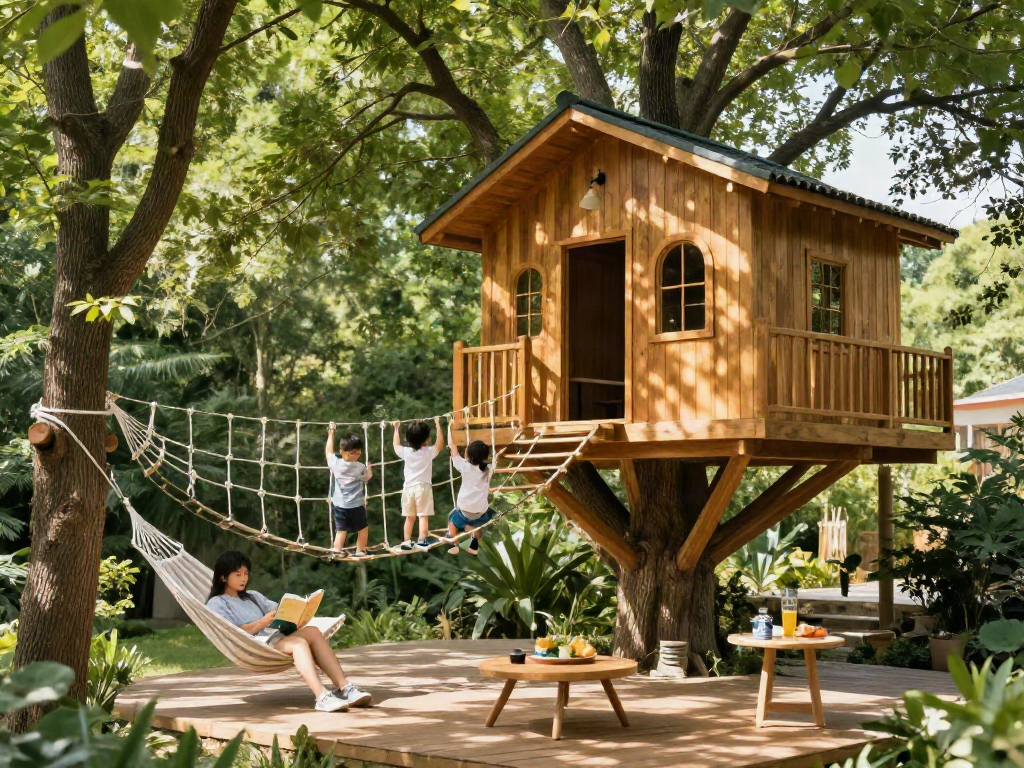
Treehouses have long captured the imagination of both children and adults alike, serving as whimsical retreats that connect us to the natural world. They evoke feelings of nostalgia and adventure, representing a unique blend of artistry, architecture, and nature. The concept of living among the treetops has evolved significantly from simple wooden platforms to luxurious, fully-furnished homes that defy conventional living standards. As we look toward 2026, understanding the historical context and modern trends of tree house life becomes essential. When exploring options, tree house life offers comprehensive insights into the aesthetic and functional aspects of treehouses today.
Historical Overview of Treehouses
The history of treehouses dates back centuries, with evidence of their existence in various cultures around the globe. Initially, treehouses served basic purposes—sheltering from predators or the elements, providing a vantage point for hunting, or even acting as simple storage spaces. The earliest recorded treehouses appeared in ancient civilizations, where they were created using rudimentary materials like wood and rope, often influenced by the local environment and available resources.
As the years progressed, treehouses became symbols of childhood adventure, often built by families for leisure and play. They transformed into personal sanctuaries, fostering creativity and imagination among children. Fast forward to the modern era, where treehouses are not only for children but also for adults seeking tranquility and a unique lifestyle.
Modern Tree House Trends
In recent years, treehouses have experienced a renaissance, becoming more sophisticated and luxurious. Modern tree house trends embrace eco-friendly designs, sustainable materials, and a deep connection to nature. Builders today focus on incorporating elements such as large windows and open spaces that maximize views and natural light.
Moreover, many new treehouses boast innovative designs that blend seamlessly into their environments. The use of reclaimed wood, non-toxic finishes, and energy-efficient systems are helping to shape a new generation of treehouses that are as aesthetically pleasing as they are environmentally conscious.
Design Innovations for 2026
As we approach 2026, several design innovations are on the horizon for treehouses. Smart home technology is becoming increasingly popular, with features such as automated lighting, heating, and security systems being integrated into these elevated retreats.
Architects and builders are also exploring unique structures that challenge traditional design principles. Geodesic domes, cantilevered platforms, and multi-level designs are making treehouses not only more functional but also more visually striking. Sustainability will remain a key focus, with the introduction of solar panels, rainwater harvesting systems, and bio-based materials becoming standard practice in tree house construction.
Benefits of Tree House Living
Living in a treehouse offers various benefits that extend beyond mere aesthetics. From enhancing mental well-being to fostering educational opportunities for children, the advantages are numerous.
Connection to Nature and Wellbeing
One of the most significant benefits of tree house living is the direct connection to nature it provides. Research shows that spending time in natural surroundings can significantly improve mental health, reduce stress, and enhance overall well-being. Treehouses allow individuals and families to immerse themselves in the beauty of nature, creating a sanctuary where they can unwind and recharge.
Moreover, the unique setting encourages a lifestyle that prioritises outdoor activities, such as hiking, bird watching, or simply enjoying the peaceful sounds of the forest. This closeness to nature fosters a sense of appreciation for the environment, prompting residents to engage in more sustainable practices.
Educational Opportunities for Children
Treehouses offer exceptional educational opportunities for children, providing a safe space to explore, learn, and engage with their environment. They inspire curiosity about nature, science, and ecology, encouraging kids to observe wildlife and understand the ecosystems surrounding them.
Furthermore, treehouses can serve as ideal locations for creative play and learning. Whether it’s hosting art projects, reading sessions, or science experiments, these elevated spaces can enhance a child's educational experience by providing a fun and stimulating setting.
Community Aspects of Tree House Living
Tree house living often fosters a strong sense of community. Many treehouses are part of larger eco-villages or communal living arrangements that prioritise sharing resources and building connections among neighbours. This community aspect can lead to lifelong friendships and a supportive network of like-minded individuals who value sustainability and nature.
In addition, communal treehouses can host events and activities that bring people together, such as workshops on sustainable living, gardening classes, or storytelling nights, further strengthening community bonds.
Design and Construction Considerations
Designing and constructing a treehouse involves careful consideration of various elements to ensure safety, comfort, and aesthetic appeal. The following factors are crucial in the process, especially for those looking to build their dream elevated retreat.
Materials for Eco-Friendly Treehouses
When constructing a treehouse, the choice of materials plays a pivotal role in both sustainability and aesthetics. Eco-friendly options such as reclaimed wood, bamboo, and engineered wood can reduce the environmental impact of construction. These materials not only minimise waste but also add character to the structure.
Additionally, using non-toxic paints and finishes ensures that the treehouse remains safe for its inhabitants and the surrounding wildlife. Consideration should also be given to the longevity of materials, with a focus on durability to withstand the elements.
Structural Safety and Stability
Safety should never be compromised in tree house construction. Ensuring the structural integrity of the treehouse involves careful engineering and design. Proper anchorage to the tree and adherence to safety standards are critical to prevent accidents and ensure stability.
Furthermore, consulting with professionals who specialise in treehouse construction can provide valuable insights into the best practices for building a safe and sturdy structure that can endure various weather conditions.
Integrating Modern Amenities
Today's treehouses go beyond mere rustic retreats; they often come equipped with modern amenities that turn them into comfortable living spaces. Basic facilities such as electricity, plumbing, and climate control systems can be integrated into the design, making treehouses suitable for year-round living.
Incorporating features like high-speed internet, smart home technology, and modern kitchens allows for a blend of comfort and convenience, allowing residents to enjoy tree house life fully.
Challenges in Tree House Life
While the allure of living in a treehouse is undeniable, several challenges accompany this unique lifestyle. Addressing these issues is crucial for anyone considering making the leap into tree house living.
Planning Permissions and Regulations
Before embarking on a tree house construction project, it is essential to understand the planning permissions and regulations that vary by location. Many municipalities have strict guidelines regarding building in natural environments, especially concerning height restrictions, environmental impact, and neighbour relations.
Obtaining the necessary permits can be a time-consuming process, but it's crucial to ensuring that the treehouse meets local regulations and avoids costly fines or demolition orders.
Maintenance and Longevity Concerns
Treehouses require regular maintenance to preserve their structural integrity and appearance. Exposure to the elements can lead to issues such as rot, pest infestations, and corrosion, necessitating ongoing upkeep.
Moreover, the longevity of a treehouse often depends on the health of the tree itself. Monitoring the tree's condition and ensuring it remains healthy is vital for the safety and longevity of the treehouse.
Environmental Impact Assessments
Building a treehouse in a natural setting can have environmental implications. Conducting an environmental impact assessment is essential to understand how the construction and subsequent living conditions may affect local ecosystems.
Careful planning and consideration should be given to minimise disturbance to wildlife habitats and plant life, ensuring that treehouse living is sustainable and harmonious with nature.
Future Trends in Tree House Living
As we look to the future, tree house living is poised for exciting changes that reflect contemporary values and technological advancements. Several trends are emerging that will shape the future of this unique lifestyle.
Sustainability Practices in Design
Future treehouse designs are likely to prioritise sustainability even further, with architects and builders exploring innovative materials and construction methods. The use of renewable energy sources, such as solar panels, will become more commonplace, allowing treehouses to achieve net-zero energy consumption.
Additionally, eco-friendly landscaping practices will enhance the natural beauty of treehouses, promoting biodiversity and sustainable gardening techniques that benefit both residents and the environment.
Impact of Technology on Tree Houses
Technology is set to revolutionise tree house living, bringing conveniences that enhance the experience. Smart home features will allow residents to control lighting, security, and climate through their smartphones or voice-activated devices, creating a seamless living environment.
Advancements in construction technology, such as 3D printing and prefabrication, will allow for faster and more efficient treehouse builds, ensuring that the dream of living among the trees is more accessible than ever.
Predictions for Tree House Culture in 2026
Looking towards 2026, tree house culture is expected to expand, with more people seeking alternative lifestyles that offer a refuge from urban congestion. The rise of remote work has already paved the way for individuals to explore unique living arrangements, and treehouses will likely emerge as a popular choice for those prioritising tranquillity, creativity, and community.
The growing emphasis on wellness and sustainability will continue to drive interest in tree house living, as individuals seek to forge deeper connections with nature and foster a sense of community in a world that often feels disconnected.
How long do treehouses last?
The lifespan of a treehouse can vary significantly based on materials used, maintenance, and environmental factors. Generally, a well-constructed treehouse using quality materials and regular upkeep can last anywhere from 10 to 30 years or more.
Can you live in a treehouse full time?
While it is possible to live in a treehouse full time, certain design and comfort considerations must be addressed. Ensuring adequate living space, essential amenities, and structural safety are crucial for creating a sustainable living environment.
What are the safety measures for treehouse construction?
Safety measures for treehouse construction include robust anchoring systems, non-slip surfaces, guardrails, and regular inspections to ensure structural integrity. Consulting with professionals in treehouse design can also ensure that safety standards are met.
How to finance a treehouse project?
Financing a treehouse project can be achieved through various means, including personal savings, loans, or crowdsourcing. Creating a detailed budget that includes materials, labour, and permits will help in securing the necessary funds.
Are treehouses suitable for year-round living?
Treehouses can indeed be suitable for year-round living if designed with proper insulation, heating, and cooling systems. Incorporating modern amenities and ensuring structural stability will enhance their viability as permanent residences.