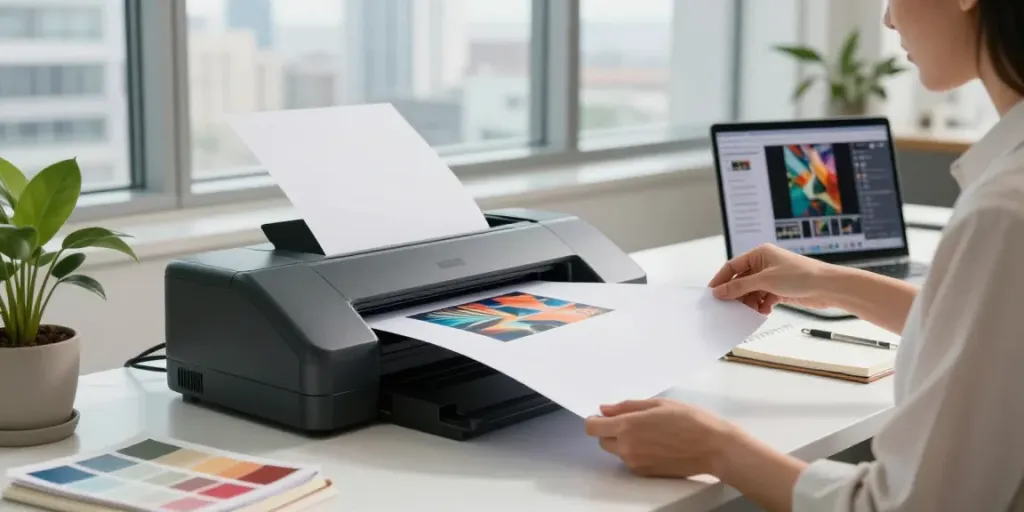
Understanding A3 Scanners: What Sets Them Apart?
A3 scanners are specialized devices designed to accommodate larger formats, specifically those that measure 11.7 x 16.5 inches or 297 x 420 millimeters. These scanners play a crucial role in industries that require high-quality document digitization, such as graphic design, education, and small businesses. When exploring options, A3 Scanners provide comprehensive insights into the latest technology available for a range of professional needs. In this article, we delve into the unique features and applications of A3 scanners to help you make informed decisions.
What are A3 Scanners and Their Uses?
Essentially, A3 scanners are larger flatbed or sheet-fed devices capable of digitizing oversized documents, artworks, and other materials that fall outside the standard A4 size. These scanners are predominantly utilized in professional environments where the need for precise and high-resolution images is paramount. A few of their key uses include:
- Artwork digitization: Artists can scan portfolios, sketches, and large illustrations without compromising quality.
- Document archiving: Businesses often require large documents to be digitized for record-keeping, making A3 scanners a vital tool.
- Education materials: Schools and universities utilize A3 scanners for capturing posters, charts, and larger documents for educational purposes.
Features of A3 Scanners: A Technical Overview
When choosing an A3 scanner, understanding the technical specifications can enhance your purchasing decision. Here are the primary features to consider:
- Optical Resolution: A typical A3 scanner boasts a resolution of up to 600 DPI (dots per inch), ensuring clarity and detail.
- Scanning Speed: Look for models that offer high-speed scanning, often quantified in pages per minute (PPM) for productivity.
- Connectivity Options: USB, Wi-Fi, and Ethernet options are crucial for seamless integration into existing office environments.
- Software Compatibility: The best A3 scanners come with user-friendly software for editing, organizing, and saving scanned documents efficiently.
Choosing the Right A3 Scanner for Your Needs
Selecting the right A3 scanner depends heavily on your specific requirements and the nature of your work. Factors to consider include:
- Volume of Scanning: If you frequently scan large volumes, opt for a high-speed scanner with an automatic document feeder (ADF).
- Print Quality: For high-resolution artwork, prioritize scanners with a higher optical resolution.
- Budget: Assessing the price ranges can help narrow down options; cheaper models may suffice for basic tasks, while professional-grade scanners come at a premium.
Applications of A3 Scanners in Various Industries
A3 Scanners in Graphic Design: Enhancing Creative Workflows
Graphic designers benefit greatly from A3 scanners, which allow for the precise digitization of detailed artworks and large graphics. When scanning illustrations or designs that require meticulous detail, the high-resolution capabilities enable designers to maintain quality while transitioning from physical to digital formats. Additionally, these scanners often support various color depths, essential for vibrant and accurate reproductions.
Utilizing A3 Scanners in Education: Learning and Documentation
In the education sector, A3 scanners facilitate effective documentation and resource sharing. Educators can easily digitize large maps, posters, and notes, enhancing accessibility for students. Furthermore, the ability to convert documents into searchable formats supports educational outcomes by making information more readily available.
Benefits of A3 Scanners for Small Businesses
For small businesses, A3 scanners are invaluable for enhancing operational efficiency. The ability to quickly digitize contracts, promotional materials, and large documents can streamline workflows and assist in organizational tasks. Moreover, maintaining a digital archive promotes better space management and eases retrieval processes.
Challenges and Solutions in Using A3 Scanners
Common Misconceptions About A3 Scanners
One prevalent misconception is that A3 scanners are only suitable for professional use, which is not entirely true. While these devices do excel in commercial settings, they can also benefit home offices and small businesses by providing high-quality scanning capabilities that meet diverse needs.
Technical Issues and Troubleshooting Tips
Just like any technology, A3 scanners can encounter various issues. Common problems include poor image quality or connectivity issues. To troubleshoot, check the following:
- Ensure the scanner glass is clean to avoid smudges.
- Check cable connections and firmware updates for optimal performance.
- For software-related issues, reinstall the application or consult the manufacturer's support resources.
Maintaining Your A3 Scanner for Longevity
Regular maintenance is essential for keeping your A3 scanner in optimal condition. Follow these practices:
- Clean the scanning surface regularly to prevent dirt accumulation.
- Keep the scanner firmware updated to ensure compatibility with new software updates.
- Handle the device with care to avoid internal mechanical failures.
Future Trends Impacting A3 Scanners
Emerging Technologies in Scanning and Imaging
The future of A3 scanners is set to be heavily influenced by advancements in imaging technologies, including AI-based enhancements that improve scanning accuracy and speed. Enhanced OCR (Optical Character Recognition) capabilities will allow for more efficient data extraction from scanned documents, thus further reducing manual entry tasks.
Sustainability Practices in A3 Scanner Manufacturing
As sustainability becomes increasingly important, manufacturers are focusing on eco-friendly materials and processes. Expect to see A3 scanners designed with energy-efficient components and recyclable materials, aligning with global efforts toward reducing environmental impact.
How A3 Scanners Will Evolve by 2026
By 2026, A3 scanners are likely to incorporate even more sophisticated features such as cloud integration for seamless storage and accessibility. Enhanced connectivity options and user interfaces will also emerge, enabling a more intuitive experience for the user. Moreover, machine learning algorithms may personalize scanning experiences based on user habits, making A3 scanners smarter and more efficient.
Maximizing Your Workflow with A3 Scanners
Integrating A3 Scanners into Your Daily Operations
To maximize productivity, it's crucial to integrate A3 scanners effectively into daily workflows. Set up designated scanning areas that allow easy access to the device and train team members on its functionalities to ensure optimal use.
Best Practices for Document Management Using A3 Scanners
Utilize software solutions that integrate with your A3 scanner to manage scanned documents effectively. Implement naming conventions, folders, and tags to enhance searchability and retrieval. Consider digitizing frequently used documents to significantly streamline processes.
Case Study: Successful Implementation of A3 Scanners
Consider a case where a mid-sized graphic design firm implemented an A3 scanner to enhance their workflow. By integrating the scanner into their art department, they reduced the time spent on digitizing artworks by 50%. This resulted in faster project turnarounds and higher client satisfaction, showcasing how effective implementation can lead to tangible benefits.
What is the best A3 size scanner?
The optimal choice for an A3 scanner depends on specific needs, but brands like Epson and Canon are often recommended for their reliability and quality. Evaluate features such as optical resolution, scanning speed, and connectivity before making a decision.
What is an A3 scanner used for?
A3 scanners are primarily used for digitizing large documents, artworks, and promotional materials. Their high-resolution capabilities make them ideal for industries requiring detailed scans.
Why are A3 flatbed scanners so expensive?
The higher price of A3 flatbed scanners often stems from their advanced technology, build quality, and the versatility they offer compared to standard size scanners. They are designed to provide superior image quality and longevity, justifying the investment for professional users.
Which A3 flatbed scanner is the best?
Determining the best A3 flatbed scanner involves considering features like optical resolution, usability, and support services. Models from well-regarded brands such as Fujitsu and Canon frequently rank high in reviews due to their performance and reliability.