Understanding the Automatic Bag Palletizer Machine
In today's fast-paced manufacturing landscape, efficiency and accuracy are paramount. The automatic bag palletizer machine has emerged as an essential tool for companies looking to streamline their operations. Designed to automate the process of stacking bags on pallets, these machines can significantly reduce labor costs while enhancing productivity. With innovations in technology, modern palletizers accommodate various bag types, sizes, and weights, making them an invaluable asset across multiple industries.
What is an Automatic Bag Palletizer Machine?
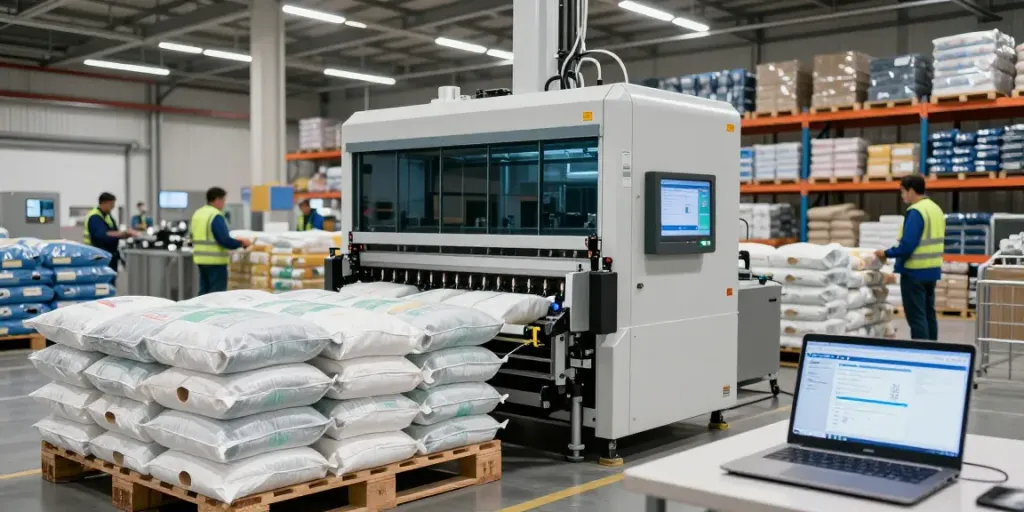
An automatic bag palletizer machine is a sophisticated piece of equipment engineered to arrange bags or packages onto pallets using automated systems. It integrates robotics and conveyor technology to achieve high-speed palletizing while minimizing human intervention. This machine is equipped with sensors and advanced software that enable it to identify, sort, and stack bags efficiently, ensuring consistent palletization quality and reducing the risk of errors common in manual processes.
Key Features and Benefits of Using Automated Systems
- Increased Productivity: Automatic systems can operate continuously, allowing businesses to meet higher production demands without additional labor costs.
- Consistency and Precision: These machines ensure uniform stacking of bags, which is crucial for maintaining load stability during transport.
- Flexibility: Modern palletizers can handle different bag sizes and materials, adapting to various production needs.
- Reduced Labor Costs: By automating the palletizing process, companies can reduce their reliance on manual labor, which can help minimize workplace injuries and associated costs.
- Space Efficiency: Many palletizers are designed to optimize floor space, providing higher efficiency in production line layouts.
Common Applications Across Industries
Automatic bag palletizer machines are utilized in various sectors, including:
- Agriculture: For stacking bags of feed, seed, and fertilizer.
- Food and Beverage: For packaging snacks, flour, sugar, and other food items.
- Chemicals: For handling bags of powders and granules.
- Pharmaceuticals: For precise palletizing of medical supplies and products.
Choosing the Right Automatic Bag Palletizer for Your Business
When investing in an automatic bag palletizer, it's essential to assess various factors to ensure that the chosen machine meets your specific operational needs and goals. Understanding these considerations can significantly impact your overall efficiency and productivity.
Factors to Consider When Selecting a Machine
- Production Volume: Determine your daily output requirements. This will influence the speed and capacity of the palletizer you need.
- Bag Specifications: Consider the types, sizes, and weights of bags you handle. Ensure that the machine can accommodate variations in bag design.
- Space Availability: Assess your facility’s layout to ensure the palletizer's dimensions fit within your production area.
- Integration: Evaluate how the palletizer will integrate with your current production line and equipment.
Cost vs. Efficiency: Evaluating ROI for Your Investment
When assessing the investment in an automatic bag palletizer, it’s crucial to evaluate not just the purchase cost but also the long-term efficiency gains. Consider factors such as:
- Reduction in labor costs due to automation.
- Increased production capacity that could lead to higher sales volumes.
- Potential savings from reduced product damage and waste.
Custom Solutions for Specific Bag Types and Sizes
Many manufacturing environments handle unique bag configurations that may not be accommodated by standard palletizers. Custom solutions can be designed to meet these specific needs, ensuring optimal performance and flexibility. Collaborating with manufacturers who offer tailored solutions can result in enhanced efficiency and productivity.
Overcoming Common Challenges in Bag Palletizing
While automatic bag palletizers are beneficial, businesses may encounter challenges that can hinder their effectiveness. Recognizing and addressing these challenges upfront is vital for successful implementation.
Addressing Size and Material Variability Issues
One of the key challenges is dealing with diverse bag sizes and materials. Selecting a palletizer equipped with advanced sensors and adaptable mechanisms can help accommodate these variations effectively.
Mitigating Downtime and Maintenance Challenges
Automated systems require regular maintenance to ensure uninterrupted operation. Establishing a routine maintenance schedule and training staff to perform basic upkeep can mitigate downtime and enhance the longevity of the equipment.
Ensuring Compatibility with Existing Production Lines
Compatibility with existing machinery is crucial for seamless operation. Evaluating how the new palletizer will interface with current systems, such as conveyors and packaging lines, is necessary to prevent workflow disruptions.
Best Practices for Implementing Bag Palletizing Technology
Successfully integrating an automatic bag palletizer into your production process requires careful planning and execution. Following best practices can help ensure a smooth transition.
Step-by-Step Guide to Installation and Setup
- Site Assessment: Perform a thorough analysis of the installation site to plan for space and utility requirements.
- Equipment Selection: Choose the right model based on your production needs.
- Installation: Work with the vendor to properly install the palletizer, ensuring all components are connected and calibrated.
- Testing: Conduct comprehensive testing to verify performance before full-scale operation.
Training Staff for Safe and Effective Operation
Training is essential for ensuring that personnel can operate the palletizer safely and effectively. Providing comprehensive training programs that cover operational, safety, and emergency procedures will empower your workforce.
Maintenance Tips for Longevity and Performance
- Implement regular inspections to catch potential issues before they escalate.
- Keep the machine clean to prevent operational disruptions.
- Stay updated with manufacturer recommendations for maintenance schedules and parts replacement.
Future Trends in Automatic Bag Palletizer Machines
The landscape of automatic bag palletizers is rapidly evolving due to advancements in technology and changing market demands. Staying informed about these trends can position your operations for future success.
Emerging Technologies and Innovations for 2026
Looking ahead, innovations in artificial intelligence and machine learning will drive significant improvements in automation. Enhanced robotics are set to improve agility and efficiency in palletizing, allowing machines to adapt to real-time changes in production conditions.
The Role of AI and Automation in Packing Solutions
AI-driven systems can analyze production data to optimize palletization strategies, reducing waste and increasing throughput. Implementing such technologies may position businesses at the forefront of efficiency.
Preparing for Market Changes and Consumer Demands
As consumer preferences shift towards more sustainable packaging solutions, palletizers will need to adapt to handle eco-friendly materials. Investing in machines that can process recyclable and biodegradable bags will be a smart strategy for future-proofing your operations.
How much does a robotic palletizer cost?
The cost of robotic palletizers varies significantly based on features, capabilities, and manufacturer. Generally, prices can range from tens of thousands to several hundred thousand dollars, depending on the technology and specifications.
What are the best automated bagging systems?
Leading automated bagging systems have a reputation for reliability and performance. Key considerations include speed, flexibility, and ease of integration with existing automation solutions.
What are the different types of palletizer machines?
Palletizer machines can be categorized into several types, including robotic palletizers, layer palletizers, and high-speed palletizers, each designed to meet specific production requirements.
What is palletizing automation?
Palletizing automation refers to the use of technology to automate the stacking of products onto pallets, enhancing efficiency, accuracy, and safety in manufacturing and logistics operations.
What maintenance is needed for an automatic bag palletizer machine?
Routine maintenance for automatic bag palletizers should include regular cleaning, lubrication of moving parts, inspections for wear and tear, and software updates to ensure optimal functioning.