Understanding CNC Machining and Its Applications
CNC machining, or Computer Numerical Control machining, is a manufacturing process that utilizes pre-programmed computer software to dictate the movement of factory tools and machinery. This technology allows for greater precision, efficiency, and flexibility in producing complex parts. Since its inception, CNC machining has transformed various industries by providing accuracy that is difficult to achieve with traditional manufacturing methods. For businesses seeking a reliable cnc machining parts manufacturer, understanding the capabilities and applications of CNC machining is essential.
What is CNC Machining?
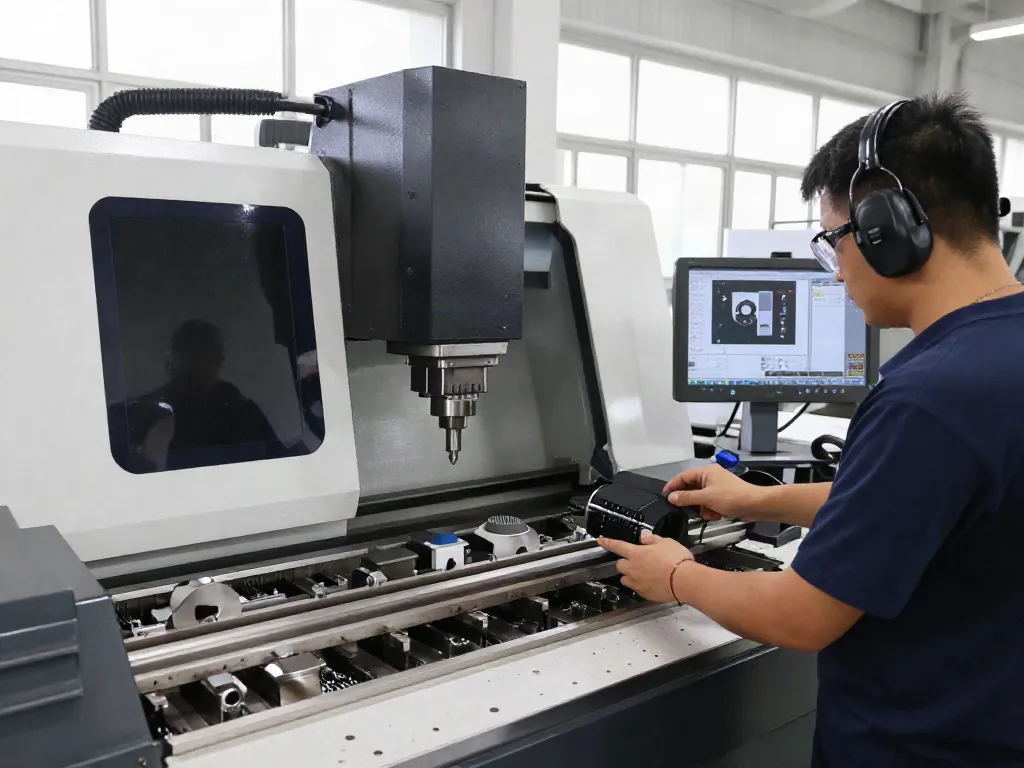
CNC machining involves the use of computers to control machine tools in the manufacturing of complex parts. This technology allows for the automation of processes such as drilling, milling, turning, and electrical discharge machining. Unlike manual machining, CNC machining can produce components at a much faster rate while maintaining consistent quality. It uses CAD (Computer-Aided Design) software to create detailed models, which are then translated into machine instructions.
Common Applications of CNC Machining Parts
- Aerospace: Components like brackets, housing, and engine parts that require high precision and strict adherence to safety standards.
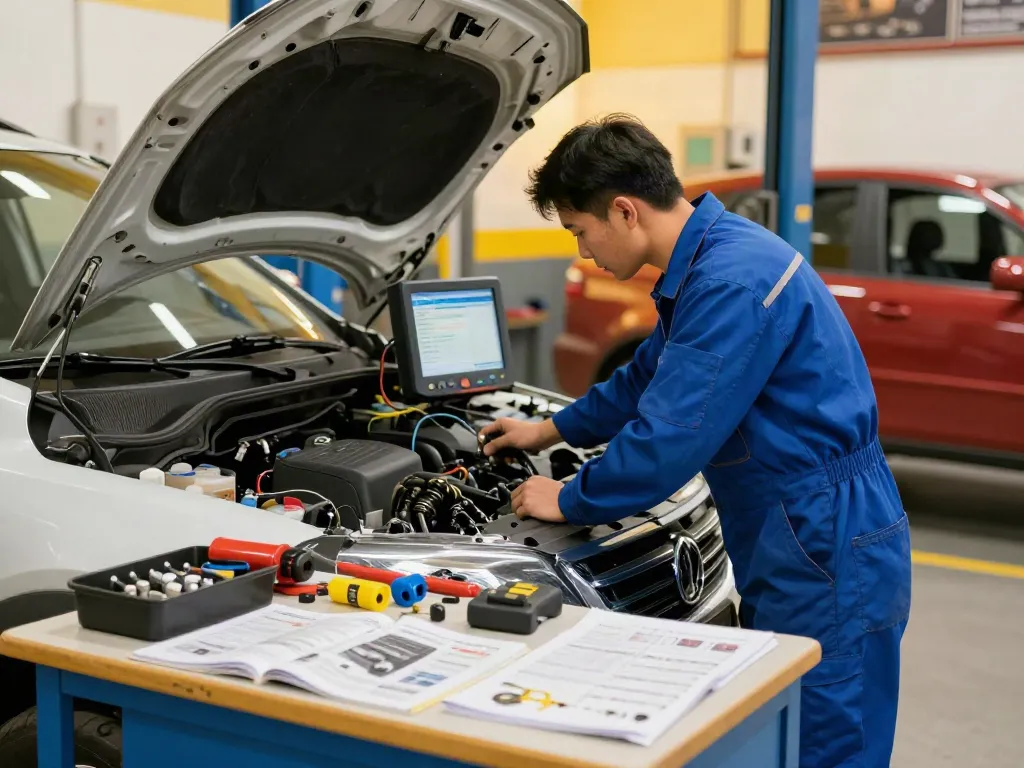
- Automotive: Manufacturing parts such as custom gears, shafts, and housings to fit specific designs.
- Medical: Producing intricate surgical tools, implants, and prosthetics where precision is critical.
- Electronics: Housing for devices, circuit boards, and other electronic components that need precise tolerances.
Benefits of Using a CNC Machining Parts Manufacturer
Choosing a CNC machining parts manufacturer provides several advantages, including:
- Consistency: CNC machining ensures that each piece produced is identical, minimizing errors.
- Scalability: Manufacturers can easily scale production up or down based on demand.
- Complexity: The ability to create intricate designs that would be impossible or extremely costly with manual methods.
- Automation: Reduces the need for human intervention, leading to fewer errors and lower labor costs.
Choosing the Right CNC Machining Parts Manufacturer
Selecting the correct manufacturer for CNC machining parts can be daunting, given the multitude of options available. It’s vital to assess several critical factors to find a partner that aligns with your business needs.
Key Factors to Consider
When evaluating potential CNC machining manufacturers, keep the following factors in mind:
- Capabilities: Ensure the manufacturer can handle specific materials and types of machining you require.
- Technology: Look for manufacturers that utilize the latest CNC equipment and software for optimal results.
- Experience: A manufacturer’s track record and years in business can offer insights into their reliability and expertise.
Evaluating Manufacturer Experience and Expertise
Researching the experience of a CNC machining parts manufacturer is crucial. Look for case studies and testimonials from previous clients to gauge their performance in real-world applications. Manufacturers who have experience in your industry may better understand your specific needs and challenges.
Importance of Certifications and Quality Standards
Certifications such as ISO 9001:2015 demonstrate a manufacturer’s commitment to quality management systems. Collaborating with a certified company not only assures that their processes consistently meet international standards but also reflects their dedication to continual improvement, which is vital in a precise field like CNC machining.
Innovations in CNC Machining Technologies for 2026
As we look forward to 2026, several innovations are set to redefine the landscape of CNC machining. Staying informed about these advancements will be key to maintaining a competitive edge in manufacturing.
Emerging Technologies Shaping the Industry
Cutting-edge technologies such as additive manufacturing, also known as 3D printing, are increasingly being integrated with CNC machining processes. This combination allows manufacturers to create complex parts with reduced waste and the ability to produce on-demand parts quickly.
Impact of Automation on Manufacturing Efficiency
Automation in CNC machining is expected to evolve dramatically, enabling manufacturers to operate with minimal human oversight. Innovations such as AI-driven analytics will allow for predictive maintenance, further enhancing the efficiency and longevity of machinery.
Future Trends in CNC Machining Techniques
Future trends may include increased integration of IoT (Internet of Things) with CNC machines, allowing for real-time monitoring of production processes. This advancement will create opportunities for enhanced quality control and operational efficiency.
Common Challenges in CNC Machining and How to Overcome Them
While CNC machining offers numerous benefits, manufacturers often face challenges that need addressing to maximize efficiency and quality.
Understanding Material Limitations
Different materials exhibit unique properties, which can impact machining processes. Understanding these limitations is crucial for selecting the appropriate material for each project. For example, metals like titanium are more challenging to machine than aluminum, requiring specialized tools and techniques.
Addressing Cost vs. Quality Dilemmas
One of the primary challenges is balancing cost and quality. Businesses must evaluate their budget while ensuring they don’t sacrifice quality for lower prices. Building a relationship with a reputable CNC machining parts manufacturer can facilitate better pricing without compromising on standards.
Improving Communication with Manufacturers
Effective communication is essential throughout the manufacturing process. Clearly outlining requirements, deadlines, and specifications can help minimize misunderstandings and ensure the final product meets expectations.
Real-World Case Studies of Successful CNC Projects
Understanding how other companies have successfully implemented CNC machining can provide valuable insights and inspiration for your projects.
Case Study: Aerospace Component Manufacturing
An aerospace company required precision-engineered parts to meet stringent safety regulations. By partnering with a skilled CNC machining parts manufacturer, they successfully produced lightweight components that enhanced fuel efficiency without compromising safety standards.
Case Study: Automotive Industry Innovations
A leading automobile manufacturer turned to CNC machining for creating custom engine components. The collaboration resulted in significant improvements in performance and reduced production time, showcasing the potential of CNC technology in the automotive sector.
Lessons Learned from Effective CNC Partnerships
Companies that leverage effective partnerships with CNC machining manufacturers often cite enhanced collaboration, innovation, and streamlined processes as key benefits. Learning from these examples can aid businesses in developing their CNC machining strategies.
FAQs
What are the advantages of CNC machining parts?
CNC machining offers high precision, scalability, and the ability to produce complex parts efficiently, providing significant advantages over manual machining methods.
How do I select a reliable CNC machining provider?
Research the provider's experience, capabilities, technology in use, and customer reviews to ensure they align with your needs and quality standards.
What materials can be used in CNC machining?
A wide range of materials can be used, including metals (like aluminum and stainless steel), plastics, and composites, depending on the application's requirements.
What distinguishes high-quality CNC machining?
High-quality CNC machining is characterized by precision, consistency, and adherence to specifications, which is often verified through certifications and quality control processes.
How has CNC machining evolved in recent years?
The evolution of CNC machining has seen the integration of advanced technologies such as automation, IoT, and 3D printing, which have enhanced efficiency and capabilities in manufacturing.