Understanding Containerized Water Treatment Systems
With the growing demand for efficient, flexible, and sustainable water treatment solutions, Containerized water treatment systems have emerged as a revolutionary alternative to traditional methods. These modular systems are designed to address a variety of water treatment challenges in different environments, including municipal setups, industrial applications, and remote areas. By leveraging advanced technology and innovative engineering, containerized systems enable rapid deployment and easy relocation, making them ideal for dynamic scenarios and urgent operational needs.
What are Containerized Water Treatment Systems?
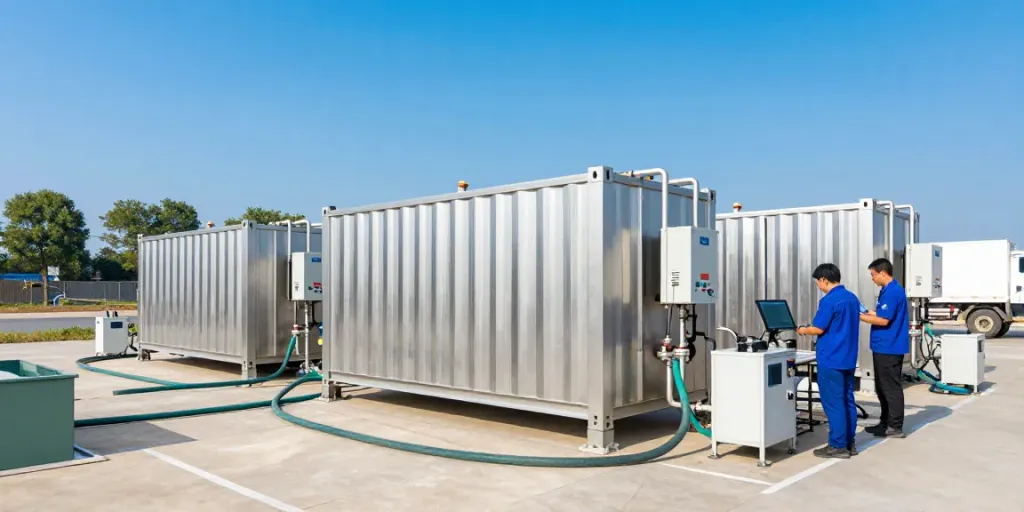
Containerized water treatment systems are pre-fabricated modular solutions that integrate various water treatment processes within shipping containers. These systems encapsulate the functions of a full-scale water treatment plant, allowing for the purification or treatment of water regardless of the incoming quality. Designed for portability and efficiency, these units can be deployed quickly, often within days, compared to several months required for traditional treatment facilities. Their ability to adapt to different water sources and treatment requirements makes them invaluable in today’s ever-changing industrial landscape.
Key Components and Technologies Used
The technology used in containerized water treatment systems typically includes:
- Filtration Units: Advanced filtration technologies such as microfiltration, ultrafiltration, and reverse osmosis (RO) are employed to remove contaminants and ensure high water quality.
- Disinfection Systems: Employing methods like UV treatment or chemical disinfection to eliminate harmful pathogens, ensuring the water is safe for consumption.
- Intelligent Control Systems: These systems enable real-time monitoring and automated control over the treatment processes, leading to enhanced operational efficiency.
- Resource Recycling Modules: Many containerized systems support water reclamation and reuse, significantly improving sustainability.
Advantages Over Traditional Systems
Containerized water treatment systems offer several advantages when compared to traditional plants:
- Speed of Deployment: Installation and operational readiness can be achieved in as little as 3-7 days, significantly reducing project timelines.
- Space Efficiency: These systems require less floor space, making them suitable for urban environments or areas with limited availability.
- High Reusability: With a reusability rate exceeding 90%, containerized systems can be relocated as needed, further maximizing investment.
- Environmental Sustainability: Many designs incorporate modules for resource recycling, achieving recycling rates of up to 80%.
Applications in Various Industries
Municipal Water Supply Solutions
Municipalities facing urgent water supply issues can benefit significantly from containerized water treatment systems. These solutions are particularly useful during times of crisis, such as natural disasters, where quick restoration of clean water supplies is needed. Containerized systems can be positioned at strategic locations, providing immediate access to treated drinking water and reducing the burden on existing infrastructure.
Industrial Water Treatment Applications
Industries such as pharmaceuticals, food and beverage, and power generation require high-purity water for their operations. Containerized systems can be engineered to deliver specific water quality parameters required for these sectors. By integrating advanced technologies like reverse osmosis (RO) and Electro Deionization (EDI), businesses can ensure a consistent supply of ultra-pure water, optimizing production processes and enhancing product quality.
Remote Area Usage and Disaster Relief
In remote areas or during humanitarian crises, access to clean water can be a significant challenge. Containerized water treatment systems can be deployed quickly and efficiently in these regions, providing essential water services to communities in need. Their modular design allows them to be transported easily to various locations, making them adaptable for both temporary and permanent installations.
Implementation and Deployment Strategies
Preparing for On-Site Deployment
Successful implementation of containerized water treatment systems begins with thorough site assessments to ensure proper placement and accessibility. A flat ground surface is typically required, and logistical considerations such as transportation routes and available utilities must be evaluated.
Integration with Existing Infrastructure
Containerized systems are designed to easily integrate with existing water supply and distribution networks. Ensuring compatibility can facilitate smoother operations and minimize potential disruptions during the transition period.
Training and Operational Best Practices
Operational efficiency can be maximized through adequate training for personnel involved in the management and operation of containerized water treatment systems. Best practices should incorporate routine maintenance schedules, troubleshooting procedures, and emergency response plans to ensure system reliability and water quality assurance.
Case Studies and Real-World Applications
Successful Municipal Implementation Examples
Several municipalities have successfully integrated containerized water treatment systems into their water supply frameworks. For example, a coastal city facing water quality issues introduced a modular system that not only met immediate demands but also allowed for future scalability as population demands increased.
Industrial Case Studies on Efficiency Gains
In the industrial sector, a major pharmaceutical company implemented a containerized water treatment system to enhance its production quality. By utilizing advanced treatment technologies within a compact space, the company reported a 40% improvement in water usage efficiency and a significant reduction in waste treatment costs.
Impact in Emergency Relief Scenarios
During a recent humanitarian crisis, NGOs deployed containerized water treatment systems to provide drinking water in disaster-stricken regions. These quick-to-deploy units played a critical role in restoring access to clean water, showcasing their efficacy in emergencies.
Future Trends and Innovations in Water Treatment
Advancements in Modular Technology
The future of containerized water treatment systems will likely include continued advancements in modular technology, focusing on scalability and customization. Innovations aimed at enhancing energy efficiency and reducing operational costs are expected to be prominent trends.
Emphasis on Sustainability and Resource Recycling
As environmental awareness grows, the water treatment industry is leaning towards sustainable solutions. Containerized systems will increasingly incorporate technologies for resource recycling and energy recovery, contributing to a circular water economy.
Predictions for Water Treatment Systems by 2026
By 2026, it is anticipated that containerized water treatment systems will dominate the market due to their flexibility and efficiency. Increased regulatory focus on water quality standards will drive adoption in both developing and developed regions.
What are the Benefits of Containerized Water Treatment Systems?
Containerized systems offer numerous benefits, including reduced installation time, lower costs, enhanced flexibility, and improved sustainability. Their design allows for easy relocation and reuse, making them a smart choice for varied applications.
How do Containerized Water Treatment Systems Work?
These systems utilize integrated treatment technologies to purify water. The process involves initial filtration, disinfection, and monitoring, ensuring the output meets the required quality standards for its intended use.
What Industries Benefit from Containerized Systems?
Industries such as municipal water supply, pharmaceuticals, food processing, and emergency response can greatly benefit from containerized systems due to their adaptability and quick deployment capabilities.
How to Choose the Right System for Your Needs?
Factors such as water quality requirements, available space, and specific application needs should be evaluated when choosing a containerized system to ensure it meets operational requirements efficiently.
What Maintenance is Required for Containerized Systems?
Regular maintenance includes routine inspections, cleaning of filtration units, and monitoring of water quality parameters. Following manufacturer guidelines is essential for maintaining system performance.
Are Containerized Water Treatment Systems Cost-Effective?
Yes, the initial investment in containerized systems may be higher than traditional options; however, their lower operational costs, reusability, and reduced deployment time typically result in overall cost savings in the long run.