The Importance of Regular Septic Tank Pumping IE
Maintaining a septic system is essential for any homeowner who relies on one for waste management. Without proper care, these systems can fail, leading to costly repairs and potential health hazards. In this guide, we will explore the critical aspects of septic tank pumping in the Inland Empire (IE) region, including the frequency of pumping, signs that your tank needs attention, and the environmental benefits of regular maintenance. When exploring options, Septic tank pumping IE provides comprehensive insights into maintaining your system effectively.
Understanding Septic Systems and Their Functionality
A septic system is a self-contained, underground wastewater treatment structure typically found in areas without centralized sewer systems. It consists of a septic tank and a drain field. The tank is designed to hold wastewater from your home, allowing solids to settle at the bottom while the liquid effluent is filtered through the soil. This natural process effectively cleans the water before it re-enters the groundwater system.
Understanding how your septic system works is crucial to ensuring its longevity and functionality. Regular pumping is necessary to remove accumulated solids, which can otherwise block the system and lead to significant problems, such as backups or failures.
Signs That Your Septic Tank Needs Pumping
Recognizing when your septic tank needs pumping can save you from costly repairs and environmental hazards. Here are the common signs:
- Slow drains: If sinks, toilets, and drains are slowing down, it’s often a sign of a full tank.
- Odors: Foul smells around the septic tank or in your yard can indicate a problem.
- Pooling water: Excess water around the drain field could signal a backing up system.
- Increased grass growth: If the grass over the septic system is lush and green compared to other areas, it could mean that the tank is overflowing.
Health and Environmental Benefits of Maintenance
Regular septic tank pumping not only protects your home but also safeguards your community and environment. Here are some key benefits:
- Preventing health risks: A malfunctioning septic system can contaminate local water supplies, posing significant health hazards.
- Environmental protection: Proper maintenance helps prevent harmful chemicals from leaching into the ground, preserving local ecosystems.
- Cost savings: Preventative maintenance can save you money by avoiding expensive repairs and replacements.
Choosing the Right Septic Tank Pumping Service IE
What to Look for in a Professional Service Provider
When selecting a septic tank pumping service in the Inland Empire, consider the following criteria to ensure you choose a reputable provider:
- Experience: Look for companies with a proven track record and extensive experience in septic services.
- Licensing and insurance: Ensure that the service provider is licensed and insured to protect yourself from liabilities.
- Customer service: A responsive and knowledgeable customer service team indicates a reputable provider.
Comparing Costs and Services Offered
Prices for septic tank pumping can vary significantly based on location, tank size, and service complexity. It's wise to obtain quotes from multiple companies and compare their services. Some companies may offer additional maintenance options, such as inspections or drain field repairs, which can provide added value.
Customer Testimonials and Reviews
Before making a decision, check online reviews and customer testimonials. Positive feedback can give you confidence in a service provider’s ability to deliver quality work. Websites that host reviews or local business listings often provide insights into the level of service and customer satisfaction.
The Septic Tank Pumping Process
Step-by-Step Overview of the Pumping Procedure
The septic tank pumping process generally involves the following steps:
- Inspection: A technician will inspect the tank and its components.
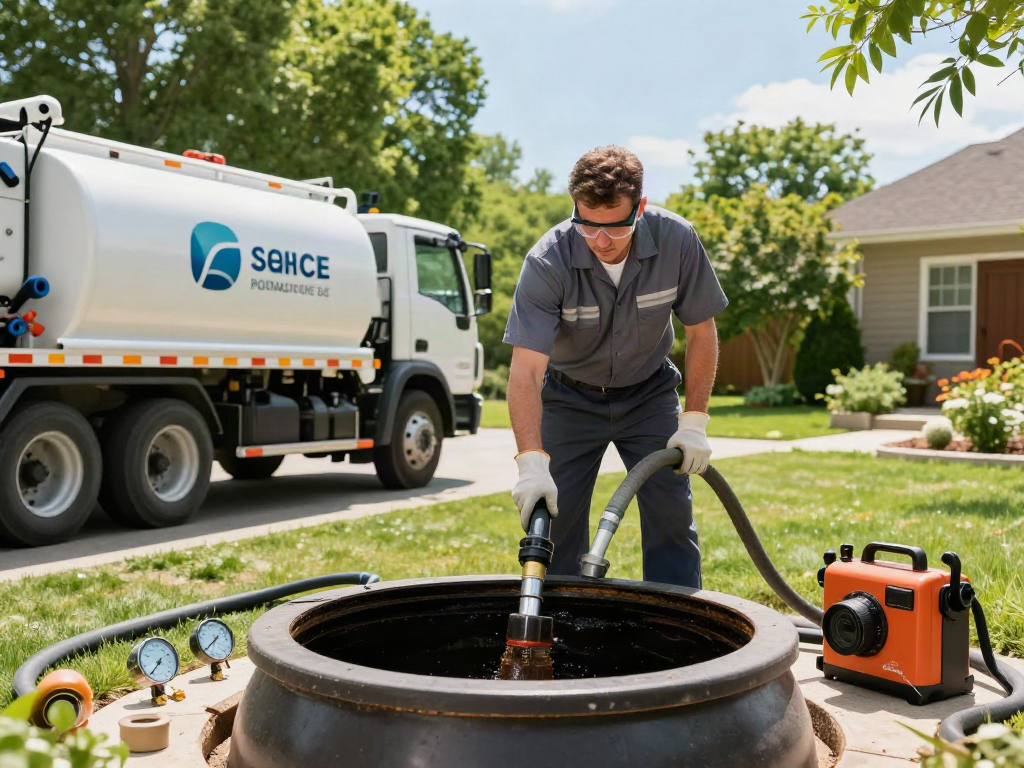
- Pumping: The technician will use a vacuum truck to remove the sludge and scum buildup from the tank.
- Cleaning: The interior walls of the tank may be cleaned to remove residues.
- Documentation: A report is generated detailing the service performed, which may include recommendations for future maintenance.
Essential Tools and Equipment Used
Professional septic service providers utilize specialized tools and equipment for effective pumping and maintenance:
- Vacuum trucks: These trucks are designed to suck out the contents of the septic tank efficiently.
- Hoses: Long hoses allow technicians to pump waste from the tank to the truck without extensive digging.
- Inspection cameras: These can be used to assess the condition of the septic system components within the tank and pipes.
Safety Protocols for Technicians and Homeowners
Safety is critical during the septic pumping process for both technicians and homeowners. Some important protocols include:
- PPE usage: Technicians should wear personal protective equipment, including gloves and masks.
- Ventilation: Ensure proper ventilation in the area to avoid gas buildup during pumping.
- Clearance: Maintain a safe distance from the tank and equipment during operation.
Common Misconceptions About Septic Tank Pumping IE
Myths vs. Facts: Debunking Common Beliefs
There are many misconceptions surrounding septic tank pumping that can lead to either neglect or unnecessary worry. Here are some common myths debunked:
- Myth: Septic tanks never need pumping: Fact: Most tanks require pumping every 3-5 years, depending on usage and size.
- Myth: You can flush anything: Fact: Only human waste and toilet paper should be flushed; other items can damage the system.
- Myth: All pumping services are the same: Fact: Services can vary significantly in quality and thoroughness, so choosing wisely is key.
The Truth About Frequency and Timing
Many homeowners are unsure how often to schedule septic tank pumping. Factors influencing frequency include:
- Household size: More people contribute to faster accumulation of solids.
- Usage patterns: High water usage can necessitate more frequent pumping.
- Tank size: Larger tanks may require less frequent service than smaller ones.
Understanding Costs Beyond Pumping
While the cost of pumping is a significant part of septic maintenance, there can be additional costs to consider:
- Repairs: If the tank or system is damaged, repairs can be costly.
- Permits: Depending on local regulations, permits may be required for repairs or installations.
- Inspection fees: Regular inspections can add to overall maintenance costs but are essential for long-term health.
Future Trends in Septic Tank Maintenance IE
Innovations in Waste Management Technology
The future of septic tank maintenance is being shaped by technological advancements, including:
- Smart monitoring systems: These systems alert homeowners to potential issues before they escalate.
- Biodegradable additives: New products can enhance the breakdown of solids without harming the system.
Sustainable Practices for Homeowners
Homeowners are increasingly interested in sustainable practices that protect the environment while maintaining their septic systems:
- Water conservation: Implementing low-flow fixtures can reduce the workload on septic tanks.
- Proper disposal of waste: Educating family members on what can and cannot be flushed helps to maintain system integrity.
Preparing for 2026 and Beyond: What to Expect
As we look to the future, homeowners can expect stricter regulations and advancements in septic technology. Understanding these changes will be vital for effective maintenance and compliance with environmental standards.
What are the signs that my septic tank needs pumping?
If your drains are slow, you notice foul odors, or there is pooling water above the drain field, these are signs that your septic tank may need pumping.
How often should I schedule septic tank pumping?
On average, septic tanks should be pumped every 3-5 years, although larger households or high usage may require more frequent pumping.
What should I expect during the pumping process?
During the pumping process, a technician will arrive with specialized equipment to inspect and vacuum out the sludge and scum from your tank.
Are there eco-friendly septic services available?
Yes, many companies now offer eco-friendly septic services that use biodegradable additives and sustainable practices in maintenance.
What is the average cost of septic tank pumping IE?
The average cost for septic tank pumping in the Inland Empire can range from $300 to $600, depending on the size of the tank and the complexity of the service needed.