Understanding Engineered Composites and GRP Manufacturing
Engineered Composites has emerged as a pioneering force in the realm of Glass Reinforced Plastic (GRP) manufacturing in the UK. For over 40 years, this esteemed company has been at the forefront of producing innovative GRP solutions tailored for various industries. GRP, known for its exceptional strength-to-weight ratio and corrosion resistance, is increasingly favored over traditional materials such as steel and aluminum. This article delves deep into the manufacturing processes, industries served, and the myriad advantages of GRP materials, all while highlighting the leadership and expertise of Engineered Composites.
What is Engineered Composites?
Engineered Composites is a leading independent GRP manufacturer and supplier in the UK, specializing in crafting high-performance composites that meet the diverse needs of various sectors. The company prides itself on its commitment to quality, compliance, and service excellence. With a product range that includes GRP gratings, profiles, fencing, and custom fabrications, Engineered Composites serves clients in sectors such as automotive, rail, construction, and marine.
Overview of GRP Manufacturing Processes
The manufacturing of GRP involves intricate processes that combine high-strength glass fibers with thermosetting resins. Initially, the fibers are placed in a mold, followed by the application of resin, which hardens to create a robust composite material. Various techniques, including pultrusion, vacuum infusion, and hand lay-up, are employed to achieve desired product specifications. Engineered Composites ensures that all products are manufactured in compliance with BS EN 13706 standards, guaranteeing high performance and reliability.
Key Industries Utilizing GRP Solutions
- Construction: GRP products are widely used for flooring, grating, and structural components due to their durability and lightweight nature.
- Marine: The corrosion-resistant properties of GRP make it ideal for boat manufacturing and marine applications, where exposure to saltwater is a concern.
- Telecommunications: GRP supports the infrastructure required for telecommunications, including cable management systems and protective enclosures.
- Utilities: The durability and strength of GRP materials are essential for utility applications, including wastewater treatment facilities and power generation.
Advantages of GRP Products Over Traditional Materials
Glass Reinforced Plastic outshines traditional building materials in various ways, making it a preferred choice for many applications. Understanding these advantages can help businesses make informed decisions about their material selections.
Comparative Strength and Durability
One of the most significant benefits of GRP is its strength-to-weight ratio. GRP is typically up to 70% lighter than steel, which allows for easier handling during installation and reduces transportation costs. Despite its lower weight, GRP boasts impressive load-bearing capabilities, making it suitable for both structural and non-structural applications.
Corrosion Resistance and Chemical Stability
GRP's inherent resistance to corrosion is unmatched. Unlike metals, which can rust and degrade over time, GRP remains structurally sound even in harsh environments, such as those involving exposure to chemicals, moisture, and salt. This resistance extends the lifespan of GRP products, offering a long-term solution with minimal maintenance requirements.
Weight Efficiency and Structural Benefits
The lightweight nature of GRP does not compromise its strength. This unique combination allows for enhanced design flexibility and reductions in support framework, leading to overall cost savings on construction projects. Additionally, the ease of installation enables quicker project turnaround times.
Quality Assurance Strategies for GRP Manufacturing
Quality is paramount in GRP manufacturing, especially when it comes to safety and performance. Engineered Composites employs rigorous quality assurance strategies to ensure that every product meets the highest standards.
ISO 9001 Certification Importance
Engineered Composites is proud to operate under an ISO 9001-certified quality management system. This certification signifies the company's commitment to consistent quality and customer satisfaction, ensuring that all products are manufactured to the highest standards throughout the production process.
Internal Testing and Compliance Standards
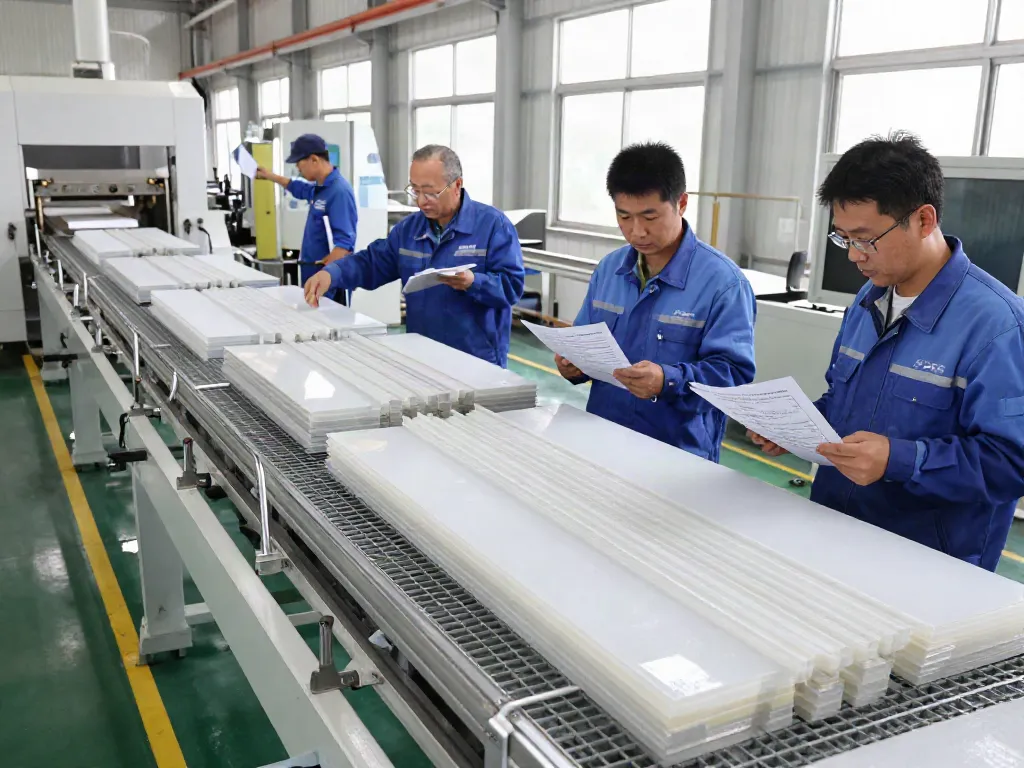
Every GRP product undergoes rigorous internal testing for structural integrity, fire resistance, and compliance with industry standards. Engineered Composites adheres to BS EN 13706 performance standards, ensuring that products not only meet but exceed client expectations.
Feedback and Rating Systems for Quality Management
Customer satisfaction is key in maintaining quality. Engineered Composites employs feedback systems that allow clients to review their products, ensuring continuous improvement and adaptation to the market demands. The company consistently achieves high ratings, reflecting its commitment to excellence.
Applications and Use Cases for GRP Products
The versatility of GRP products allows them to be utilized across a range of applications. From outdoor structures to custom fabrications, GRP serves industries with diverse needs.
Outdoor Versatility and Weather Resistance
GRP is particularly well-suited for outdoor applications due to its UV-stabilized properties, which prevent degradation from sunlight. Products such as GRP decking, walkways, and handrails remain structurally sound and visually appealing over their lifespan, making them perfect for parks, docks, and other outdoor environments.
Structural Applications in Infrastructure
As a structural material, GRP provides significant advantages for infrastructure projects. Its lightweight nature reduces the need for extensive support structures, while its strength ensures safety and reliability for pedestrian access points, bridges, and grating systems.
Custom Fabrications for Specialized Projects
Engineered Composites offers bespoke GRP solutions tailored to meet specific project requirements. Whether it's custom profiles for unique applications or specific color matches for branding, the flexibility in design allows for creative and effective solutions in various sectors.
Future Trends in GRP Manufacturing and Sustainability
As industries seek sustainable solutions, the future of GRP manufacturing looks promising. Engineered Composites is committed to innovations that align with environmental responsibilities and regulatory changes.
Recyclability and Environmental Responsibility
GRP products have a long service life, exceeding 50 years, but they can also be recycled at the end of their use. Engineered Composites is exploring ways to enhance the recyclability of its materials, contributing to a circular economy and reducing waste in landfills.
Emerging Technologies in GRP Production
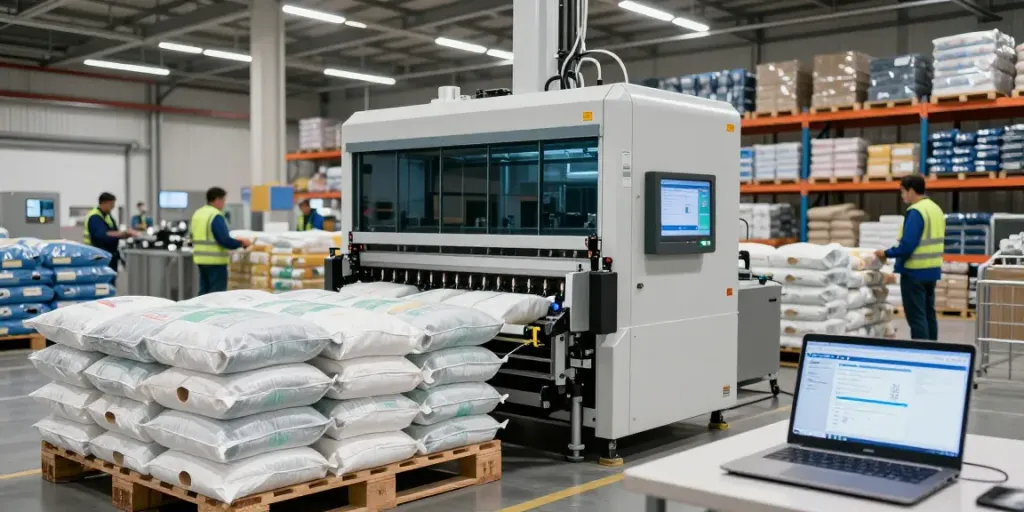
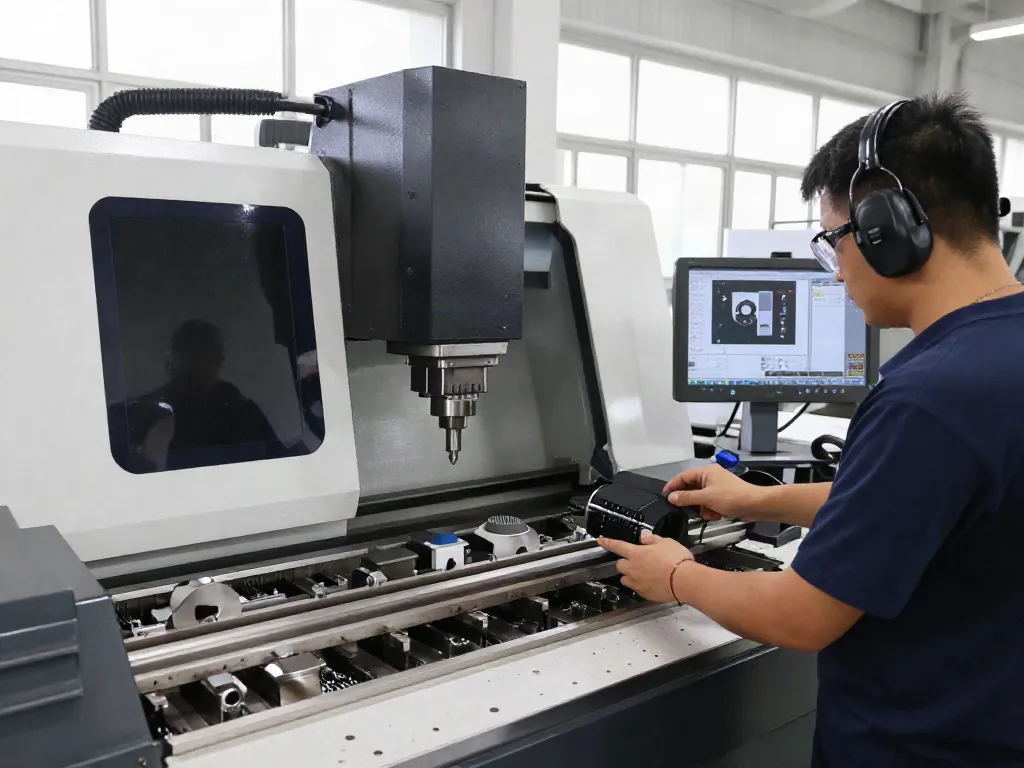
Technological advancements are transforming GRP manufacturing. Innovations such as automated production systems and advanced composite materials are enhancing efficiency, reducing costs, and improving product quality. By leveraging these technologies, Engineered Composites remains competitive in the evolving market.
Regulatory Changes Affecting GRP Usage
As regulations surrounding building materials evolve, GRP manufacturers must stay updated to ensure compliance. Engineered Composites actively monitors changes in UK building codes and fire safety regulations, adapting its products to meet the latest standards and ensuring safety across applications.
Can GRP Be Cut or Drilled On-Site?
Yes, GRP materials can be easily cut or drilled on-site using standard tools, allowing for flexibility during installation. This characteristic simplifies the process for contractors, enabling adjustments without the need for specialized equipment.
What Maintenance Do GRP Products Require?
GRP is known for its minimal maintenance requirements. Unlike traditional materials that may need painting or anti-rust treatments, GRP products require only occasional cleaning with mild detergent. This further enhances the long-term value of using GRP in various applications.
How to Get a Quotation from Engineered Composites?
Obtaining a quotation from Engineered Composites is straightforward. Interested clients can contact the company directly via phone or utilize the online enquiry form on their website. The experienced technical sales team is ready to provide fast, no-obligation quotes tailored to specific project requirements, facilitating a seamless ordering process.