Understanding Heavy Machinery Loans
As industries evolve, the demand for heavy machinery has surged, making financing options more critical than ever. Heavy machinery loans serve as a lifeline for businesses, enabling them to acquire essential equipment without exhausting their financial resources. The right financing can significantly enhance productivity, expand capabilities, and support long-term growth. When exploring options, Heavy Machinery Loans offer tailored solutions to meet diverse business needs, ensuring access to critical machinery while keeping cash flow intact.
What Are Heavy Machinery Loans?
Heavy machinery loans are specialized financing options designed for businesses looking to purchase various types of equipment such as excavators, bulldozers, cranes, and more. These loans provide funds that allow businesses to acquire new or used machinery with flexible repayment terms. Borrowers can spread the cost over time rather than paying the full purchase price upfront, aiding in preserving cash flow for operational expenses.
Types of Heavy Machinery Loans Available
Businesses can choose from a variety of heavy machinery loans, each tailored to specific needs:
- Secured Loans: These loans are backed by the machinery itself, offering lower interest rates and longer terms.
- Unsecured Loans: Ideal for businesses without substantial collateral, though typically come with higher interest rates.
- Equipment Leasing: A cost-effective alternative, where businesses can use machinery for a set period while making regular payments.
- Chattel Mortgages: A type of secured loan that allows businesses to claim tax deductions on equipment purchases.
Key Benefits of Securing a Loan
Acquiring heavy machinery through financing presents numerous advantages:
- Improved Cash Flow: By spreading payments over time, businesses can maintain liquidity to invest in other areas.
- Access to Up-to-Date Equipment: Financing enables companies to utilize modern machinery, improving efficiency and productivity.
- Tax Benefits: Certain loans offer tax deductions on interest payments and depreciation.
- Customizable Terms: Many lenders provide flexible repayment options tailored to seasonal income variations in specific industries.
Navigating the Financing Process
Understanding and navigating the financing process is crucial for businesses seeking heavy machinery loans. Familiarity with the steps involved can streamline the experience and help secure the best financing options.
Steps to Apply for Heavy Machinery Loans
Applying for a heavy machinery loan generally follows several key steps:
- Assess Your Needs: Determine the type of machinery required and whether to purchase new or used.
- Research Lenders: Look for lenders that specialize in heavy machinery loans and compare their offerings.
- Gather Documentation: Compile financial documents, business plans, and any required paperwork to support your application.
- Submit Application: Complete the loan application with accurate information and submit it to your chosen lender.
- Wait for Approval: Lenders will review your application, and upon approval, will provide the loan terms.
- Finalize the Deal: Once terms are agreed upon, complete any final paperwork and take possession of your machinery.
Choosing the Right Lender for Your Needs
Selecting the right lender can significantly affect the quality of your financing experience. Consider factors such as:
- Reputation: Look for lenders with a solid track record in financing heavy machinery.
- Loan Terms: Compare interest rates, repayment periods, and prepayment penalties.
- Customer Service: Choose lenders that offer support throughout the application process and beyond.
- Specialization: Some lenders specialize in specific industries, which can offer more tailored solutions.
Documentation and Preparation Tips
Successful loan applications require thorough documentation. Here are essential documents to gather:
- Financial statements (profit and loss, balance sheet).
- Business tax returns for the past two years.
- Details of the machinery to be financed, including cost and specifications.
- Business plan outlining how the new machinery will enhance productivity.
Tailoring Solutions for Your Business
Every business is unique, and so are their machinery needs. Tailoring financing solutions ensures your specific requirements are met effectively.
Assessing Your Machinery Needs and Budget
Begin by evaluating the type of machinery your business requires and your budgetary constraints. Consider factors such as:
- Frequency of use and operational demands.
- Long-term goals and how new equipment fits into your plans.
- Current financial health and future cash flow projections.
Custom Financing Options for Different Industries
Different industries have varying financing needs. For example:
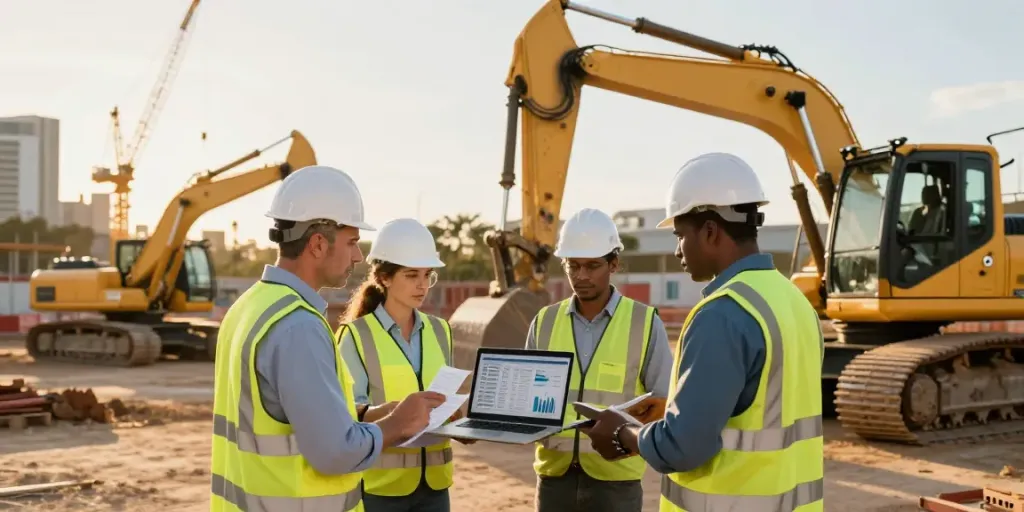
- Construction: Firms might require a diverse set of machinery, from excavators to cranes, necessitating flexible repayment options.
- Agriculture: Farmers may prefer seasonal payment structures that align with crop cycles.
- Mining: Mining operations might need specialized heavy equipment that requires significant capital investment.
Long-Term Planning for Equipment Investment
Investing in heavy machinery should not just focus on immediate needs but also consider future growth. Plan financing terms that allow you to scale up as your business demands increase.
Challenges in Heavy Machinery Financing
Despite the benefits, businesses often face challenges when securing heavy machinery loans. Being aware of these can help navigate the process more efficiently.
Common Misconceptions about Heavy Machinery Loans
Many businesses hold misconceptions that can hinder their financing efforts. Common myths include:
- Only large businesses can qualify: Many lenders offer loans to small and medium-sized enterprises.
- Loan applications are too complex: While documentation is required, many brokers can simplify the process.
- Only new equipment is financed: Used machinery loans are common and can save businesses significant costs.
Understanding Loan Terms and Interest Rates
Loan terms and interest rates can vary widely. Understanding these factors is crucial:
- Interest Rates: These can be fixed or variable and depend on market conditions, the lender’s policies, and the borrower’s creditworthiness.
- Loan Term Length: Terms can range from a few months to several years, impacting monthly payments and total interest paid.
Financial Pitfalls to Avoid
When financing heavy machinery, avoid common financial pitfalls such as:
- Overcommitting to monthly payments that strain cash flow.
- Failing to read the fine print on loan agreements.
- Ignoring the total cost of ownership, including maintenance and insurance.
Future Trends in Heavy Machinery Financing
The heavy machinery financing landscape is continually evolving. Staying informed about these trends can aid businesses in making savvy financing decisions.
Innovations Shaping the Financing Landscape in 2026
Emerging technologies and practices are transforming how businesses approach financing:
- Digital Platforms: Online lending platforms streamline the application process with quicker approvals and less paperwork.
- Blockchain Technology: This may provide more transparent lending processes and secure transactions.
How Economic Factors Impact Machinery Loans
External economic conditions, including interest rates and inflation, play a significant role in financing decisions. Businesses should keep abreast of economic trends to time their purchases effectively.
Emerging Financing Technologies and Solutions
Financial tech innovations continue to emerge, providing new tools for businesses to access funding. From advanced credit scoring to machine-learning algorithms predicting loan success, these technologies enhance the borrowing landscape.
What banks finance heavy equipment?
Various banks and financial institutions specialize in heavy equipment financing, each offering different products tailored to business needs. Some well-known banks include:
- Commonwealth Bank of Australia
- Westpac Banking Corporation
- NAB (National Australia Bank)
What is the typical interest rate for a heavy equipment loan?
The interest rates for heavy equipment loans can vary based on factors such as loan type, term length, and borrower credit history, typically ranging from 3% to 10%.
How can I improve my chances of loan approval?
To enhance the likelihood of securing a loan, businesses should maintain a solid credit profile, have all necessary documentation ready, and develop a clear business plan demonstrating how the machinery will contribute to productivity and revenue.
Can I refinance my heavy machinery loan?
Refinancing is an option for businesses looking to lower their interest rates or modify loan terms. It’s advisable to consult with a finance broker to explore potential benefits and implications.
What are the benefits of financing used heavy machinery?
Financing used heavy machinery can be cost-effective, reducing the initial capital outlay required. Additionally, used machinery often comes at lower prices, allowing businesses to allocate funds to other operational areas.